Bengbengan Waterfall Bali: The Honest Guide to North Bali's Hidden Waterfall
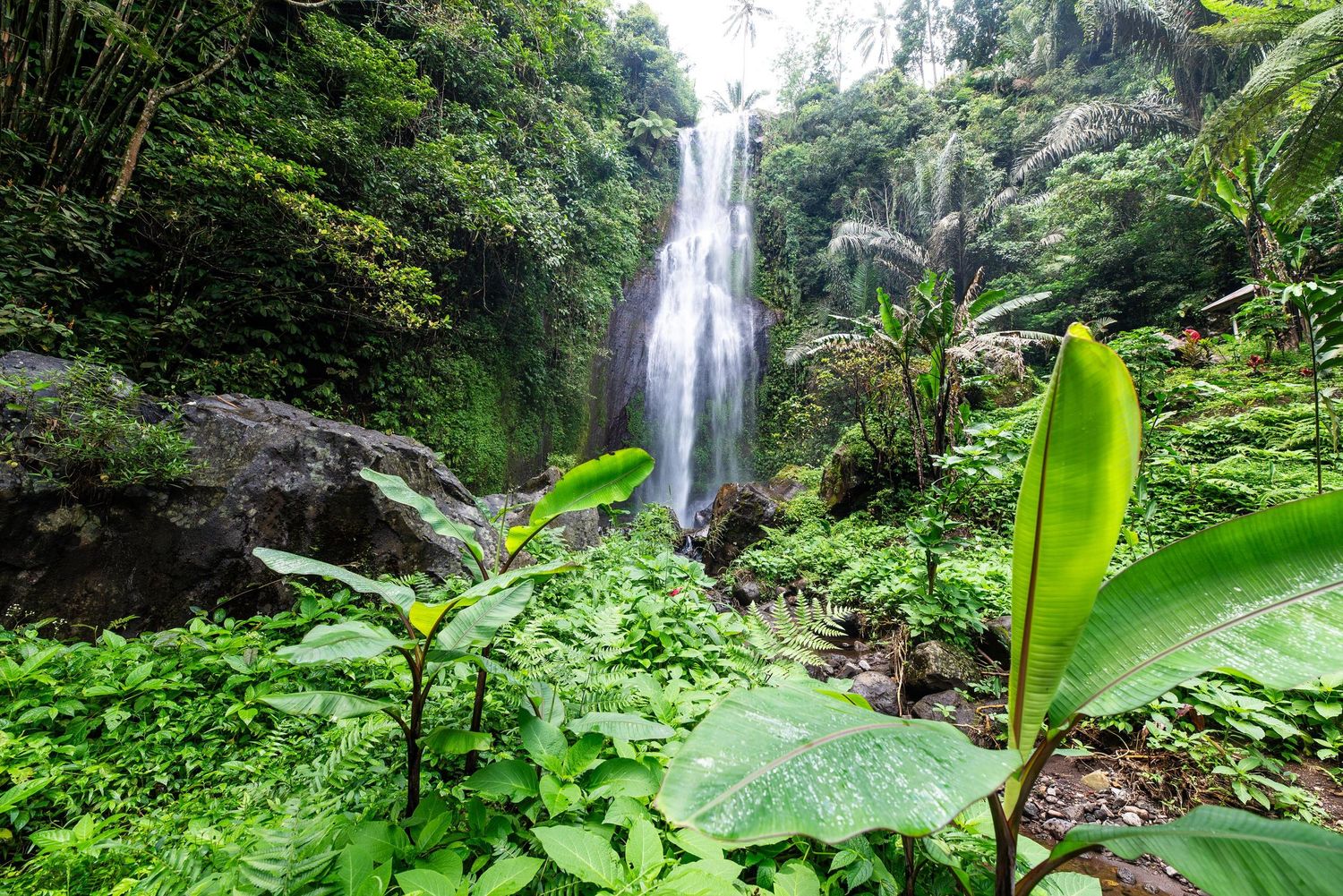
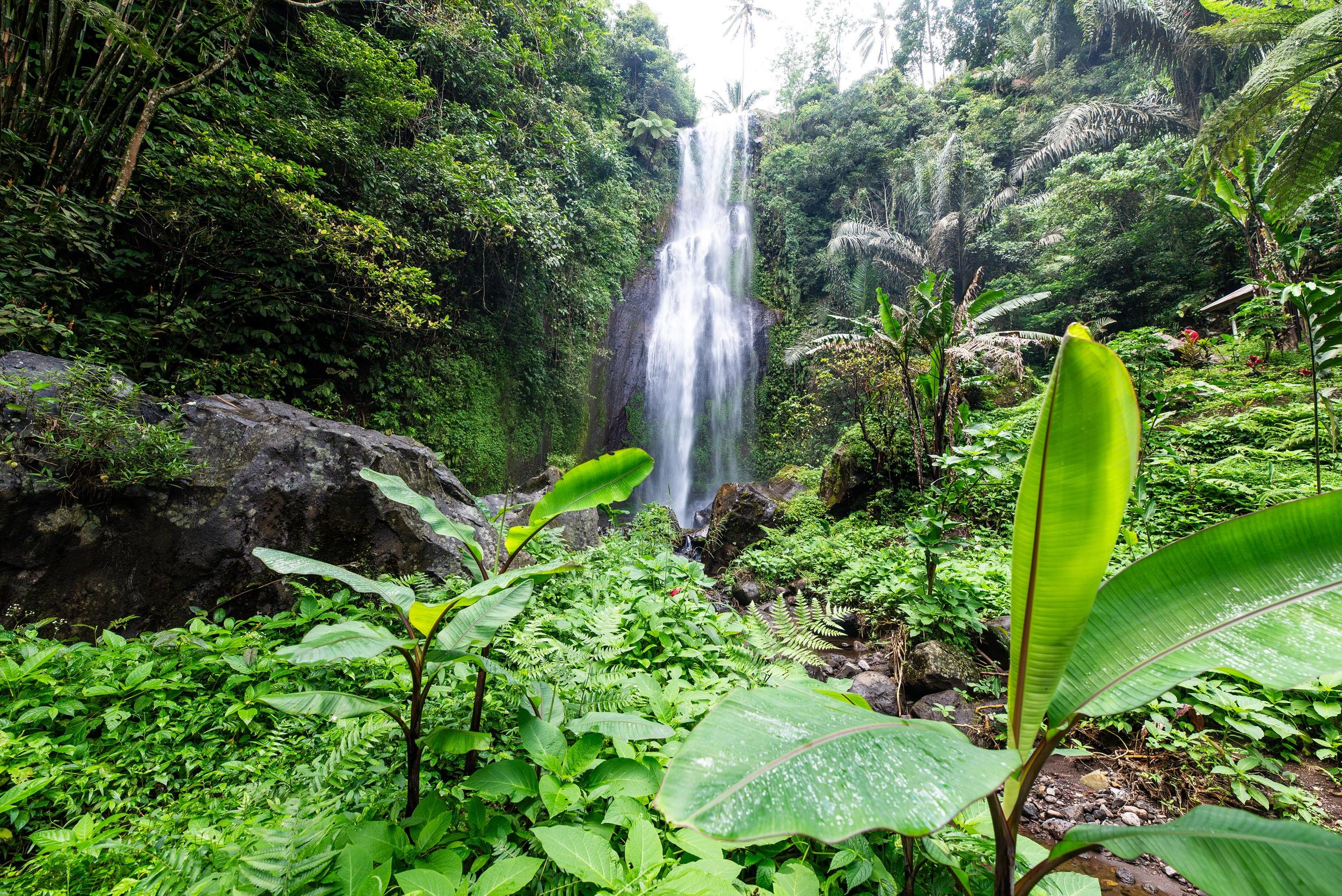
There are waterfalls in Bali that you queue for, and then there's Bengbengan Waterfall: a slippery, jungle-wrapped adventure in North Bali that, for now at least, still feels like a place you've discovered for yourself.
While waterfalls such as Tegenungan and Kanto Lampo are packed with visitors waiting their turn for the perfect Instagram photo, Bengbengan remains relatively untouched. It's quieter, wilder and far less commercialised.
There is also plenty of misinformation online. Some blogs describe it as an easy-access attraction, while some Google reviews claim it's free to visit. It isn't, although it would probably be possible to walk straight in without paying if nobody was around.
After researching local sources, reading visitor reviews and, most importantly, visiting myself, here's everything you need to know before deciding whether Bengbengan Waterfall deserves a place on your North Bali itinerary.
It ended up being my favourite waterfall experience around Munduk.
Quick Facts
- Location: Lemukih Village, North Bali
- Entrance fee: Around 20,000 IDR
- Drive from Ubud: Around 2 hours
- Drive from Munduk: 45 to 60 minutes
- Difficulty: Moderate to challenging
- Swimming: Possible depending on conditions
- Best time: Dry season
- Crowds: Usually very quiet
Where Is Bengbengan Waterfall?
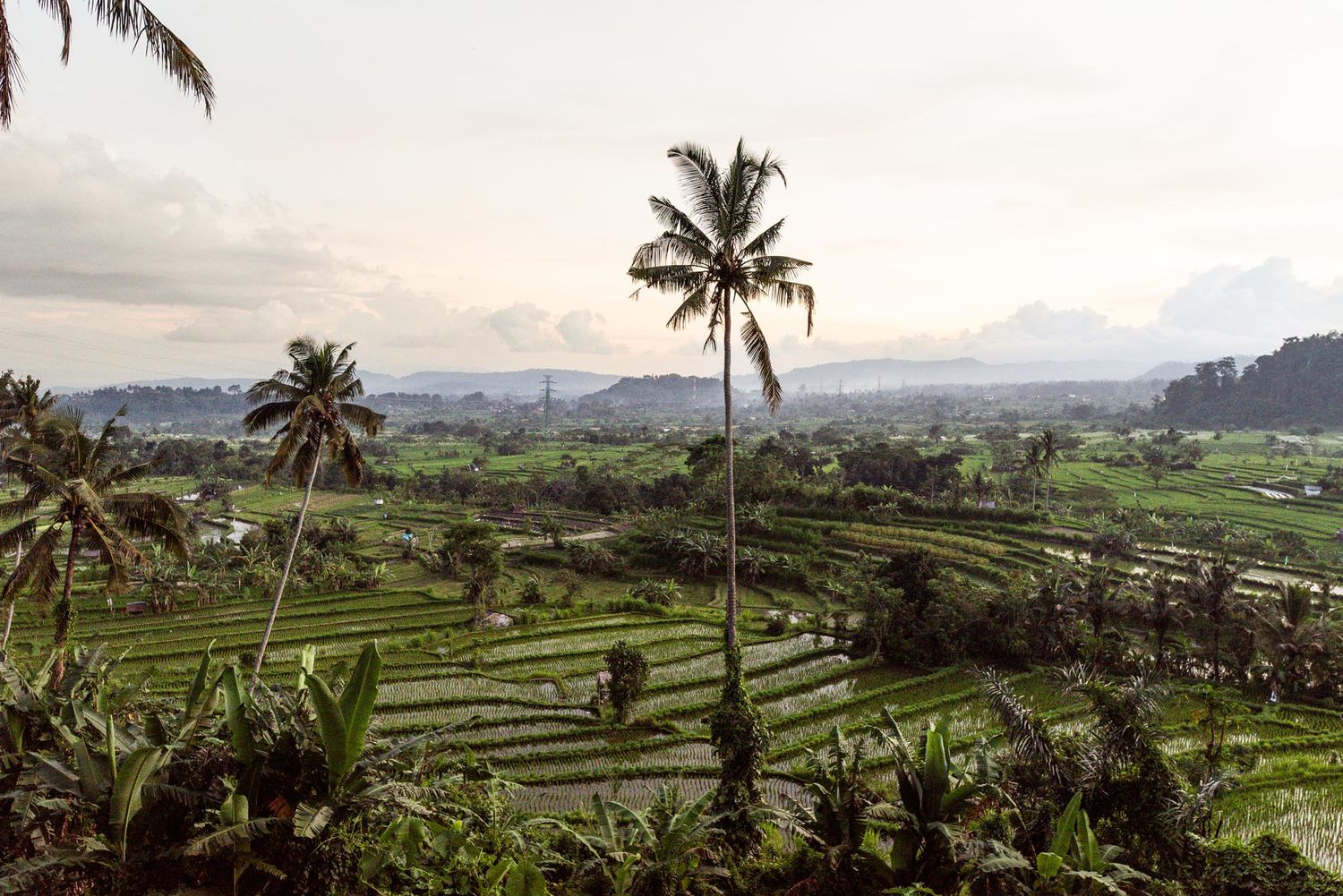
Bengbengan Waterfall is located near Lemukih Village in North Bali's Buleleng Regency. It's surrounded by the same mountainous region that is home to some of Bali's best waterfalls, including Sekumpul, Fiji Waterfall and Lemukih Waterfall.
Because it's much further north than the popular waterfalls around Ubud, it receives far fewer visitors. Reaching it takes a little more effort, but that's exactly why it still feels so peaceful.
How to Get to Bengbengan Waterfall
Most visitors arrive via the Denpasar to Singaraja road before turning towards Lemukih Village.
Approximate driving times are:
- Ubud: Around 2 hours
- Canggu: 2.5 to 3 hours
- Munduk: 45 to 60 minutes
- Lovina: Around 1 hour
The final stretch follows narrow mountain roads through local villages before reaching the parking area.
If you're confident riding a scooter, it's manageable during the dry season. Otherwise, I'd recommend hiring a driver. North Bali's mountain roads are beautiful but can be steep and unpredictable.
What Makes Bengbengan Different?
Unlike many waterfalls in South Bali, Bengbengan doesn't feel like a tourist attraction.
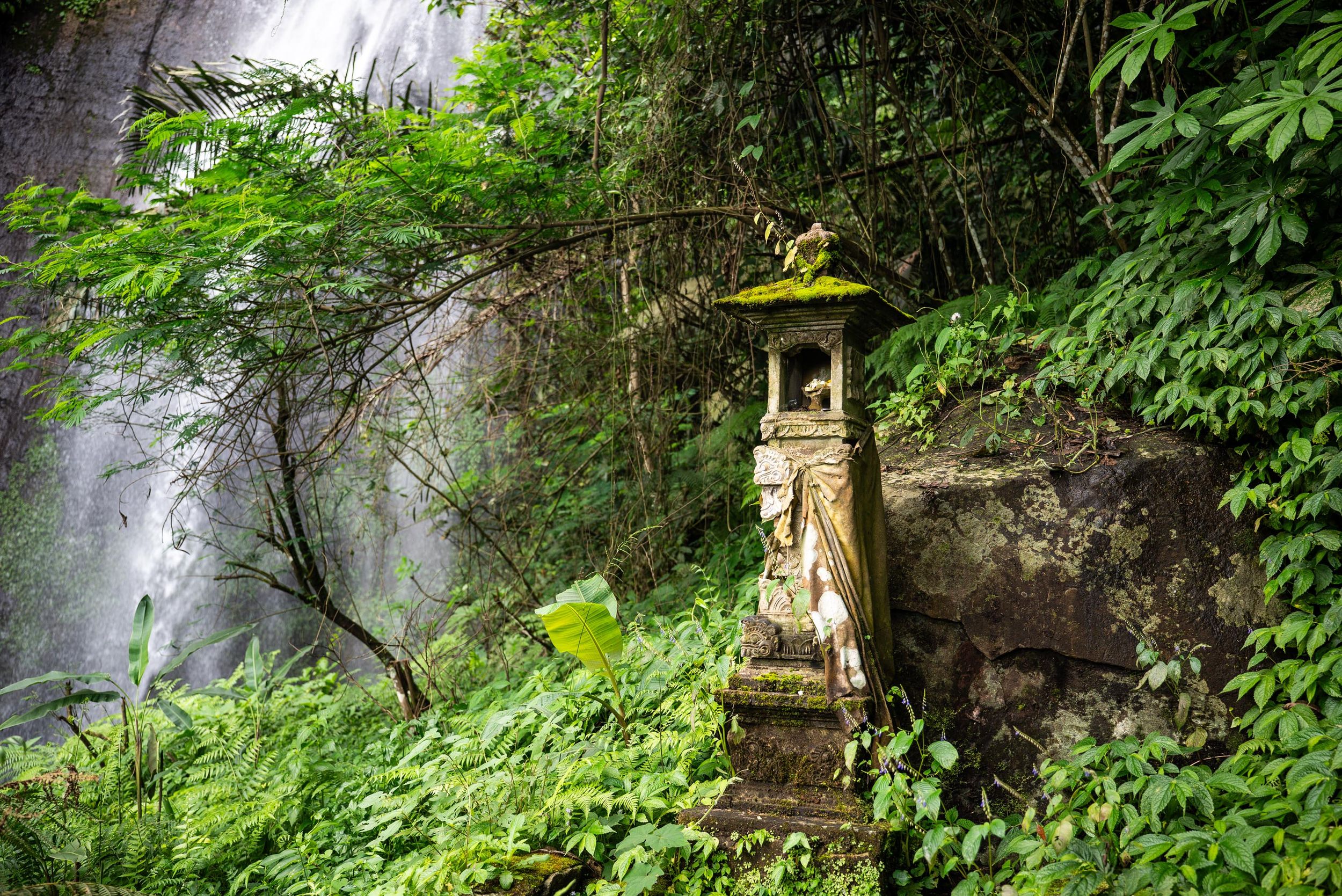
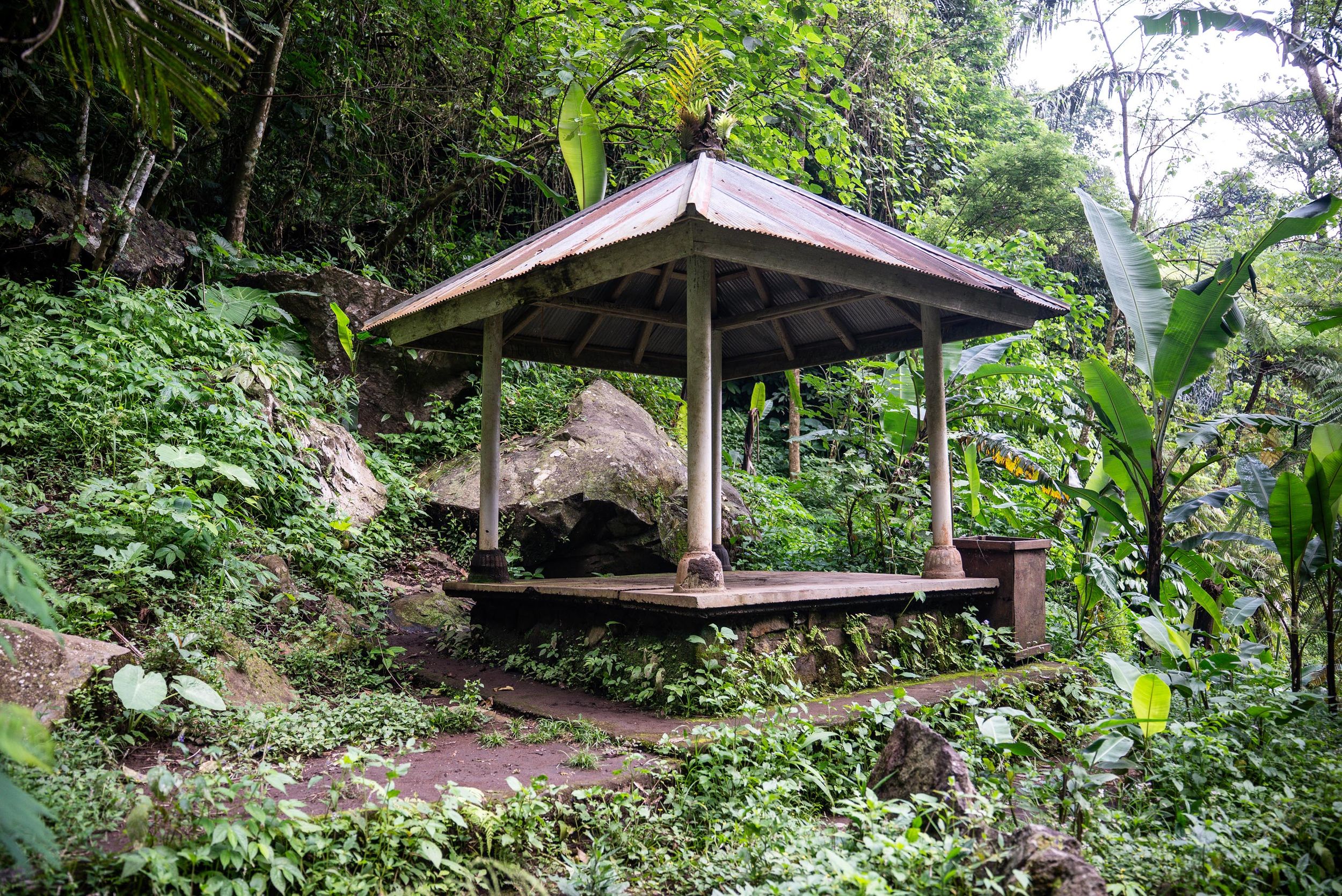
There are no cafés, viewing platforms, changing rooms or crowds.
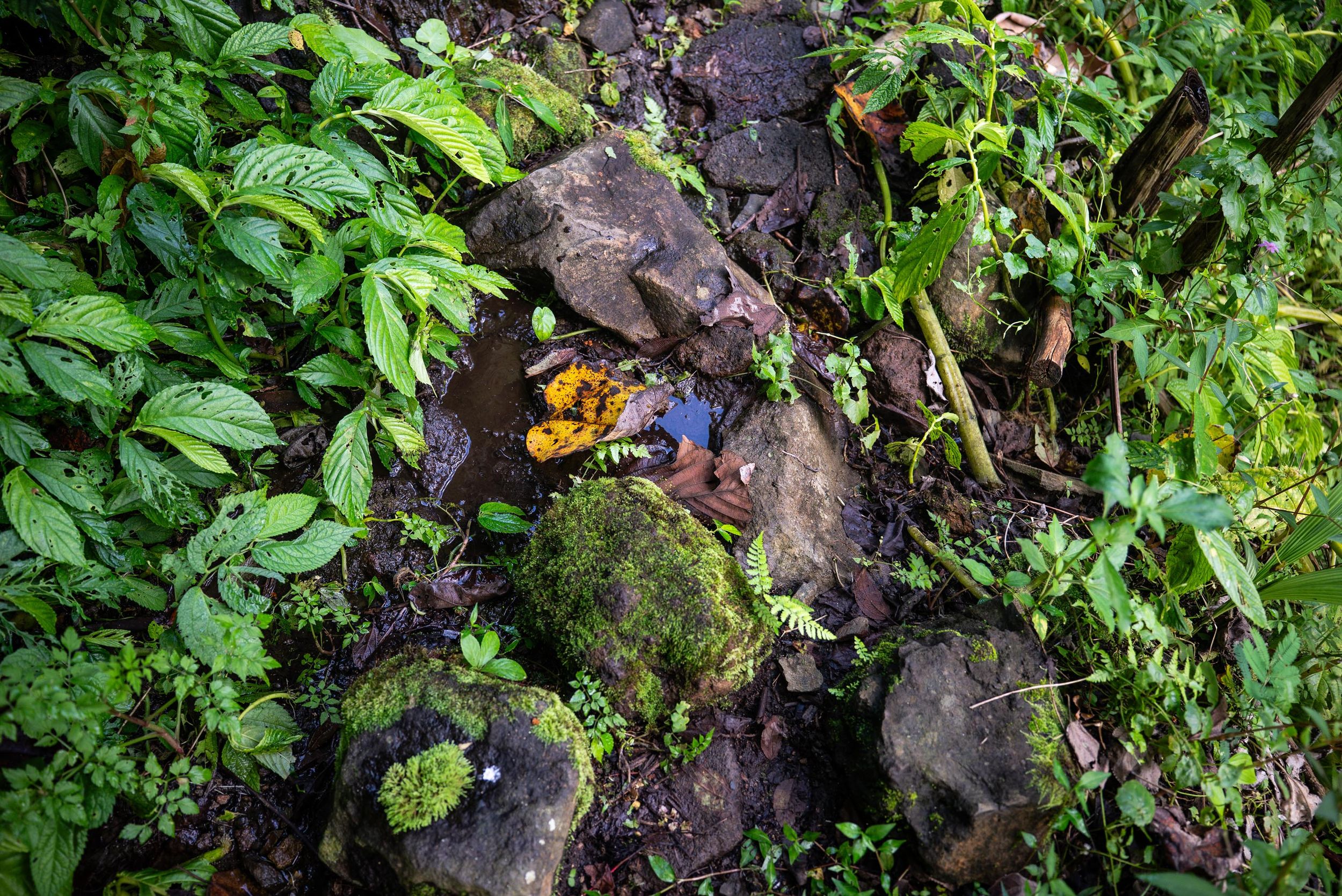
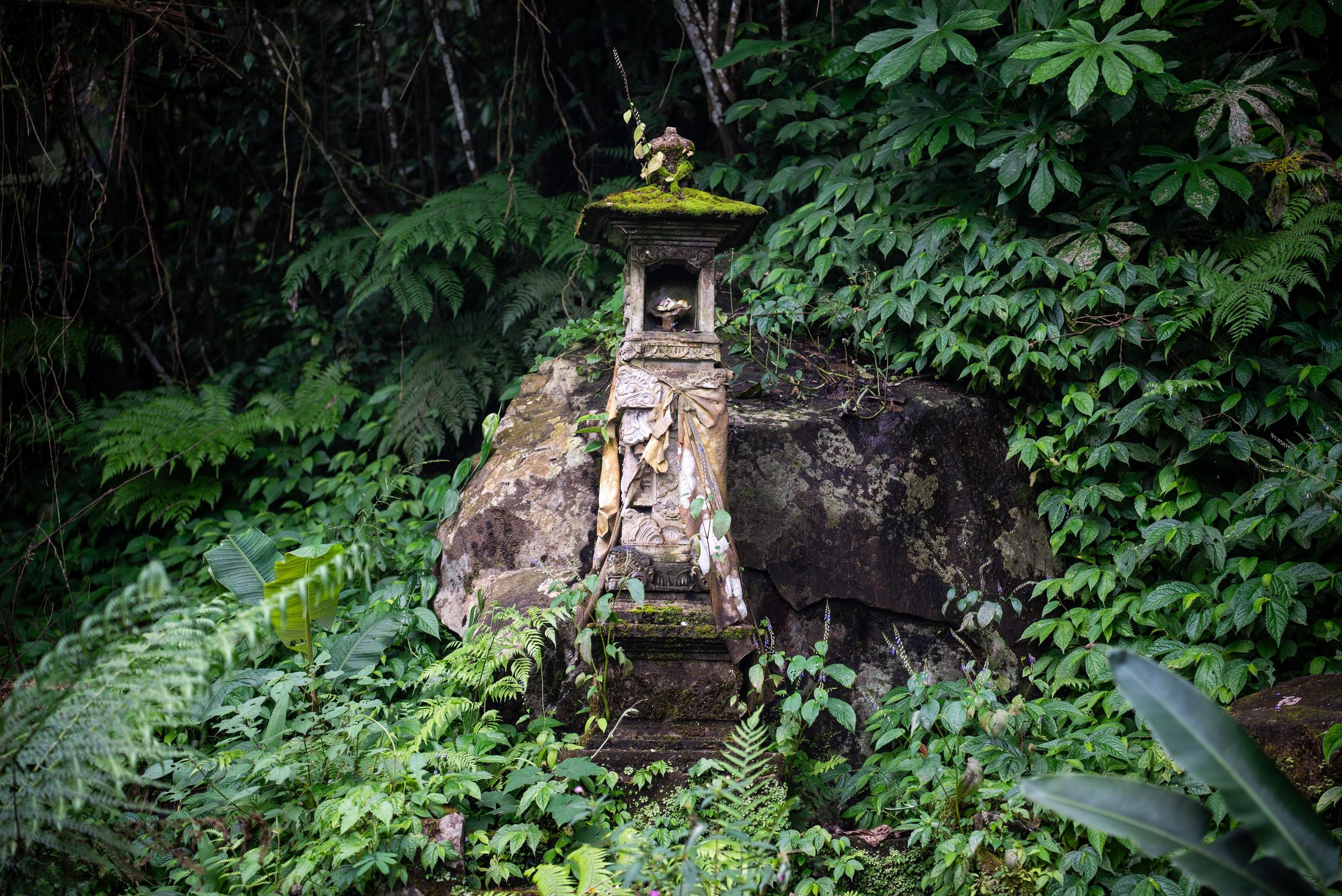
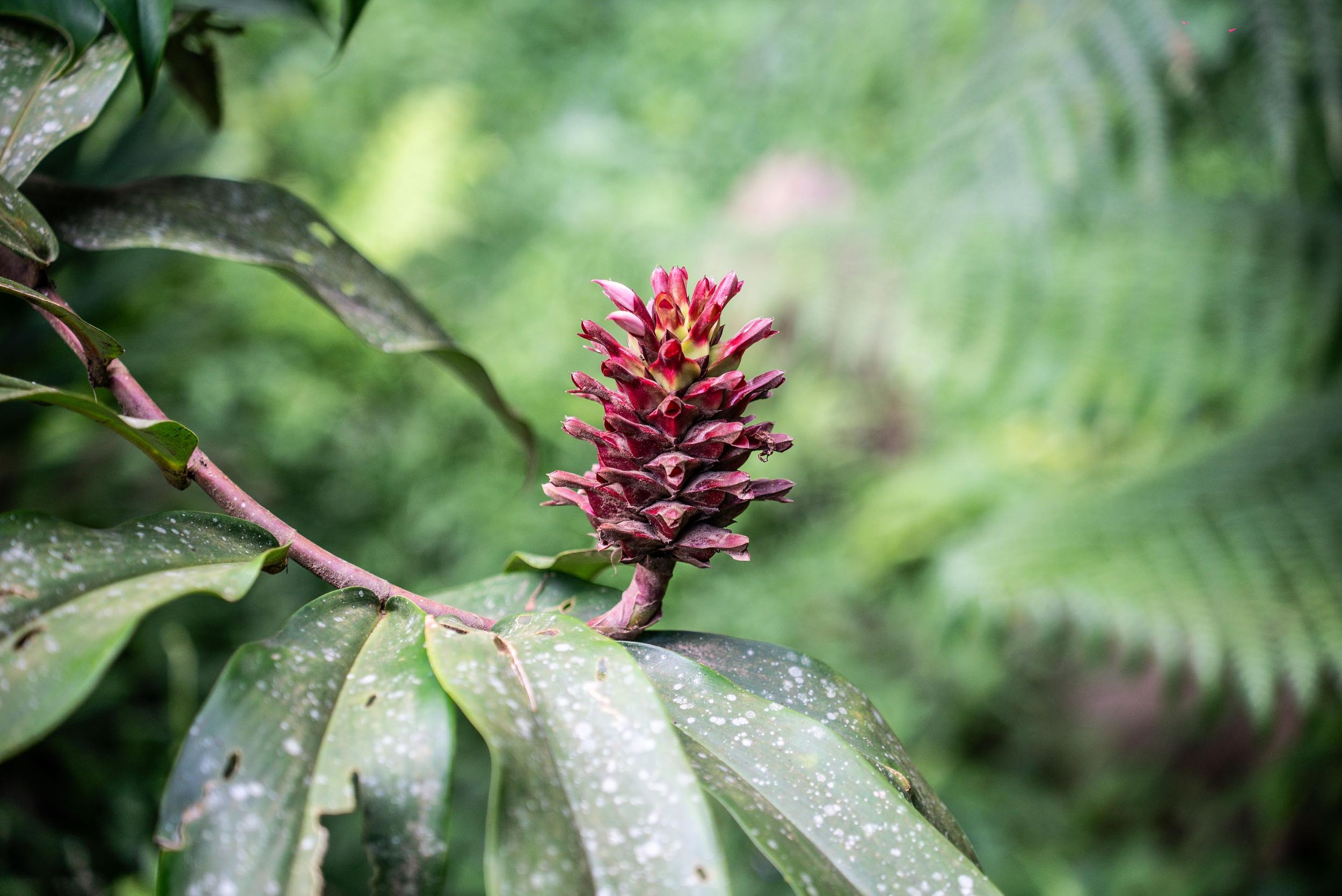
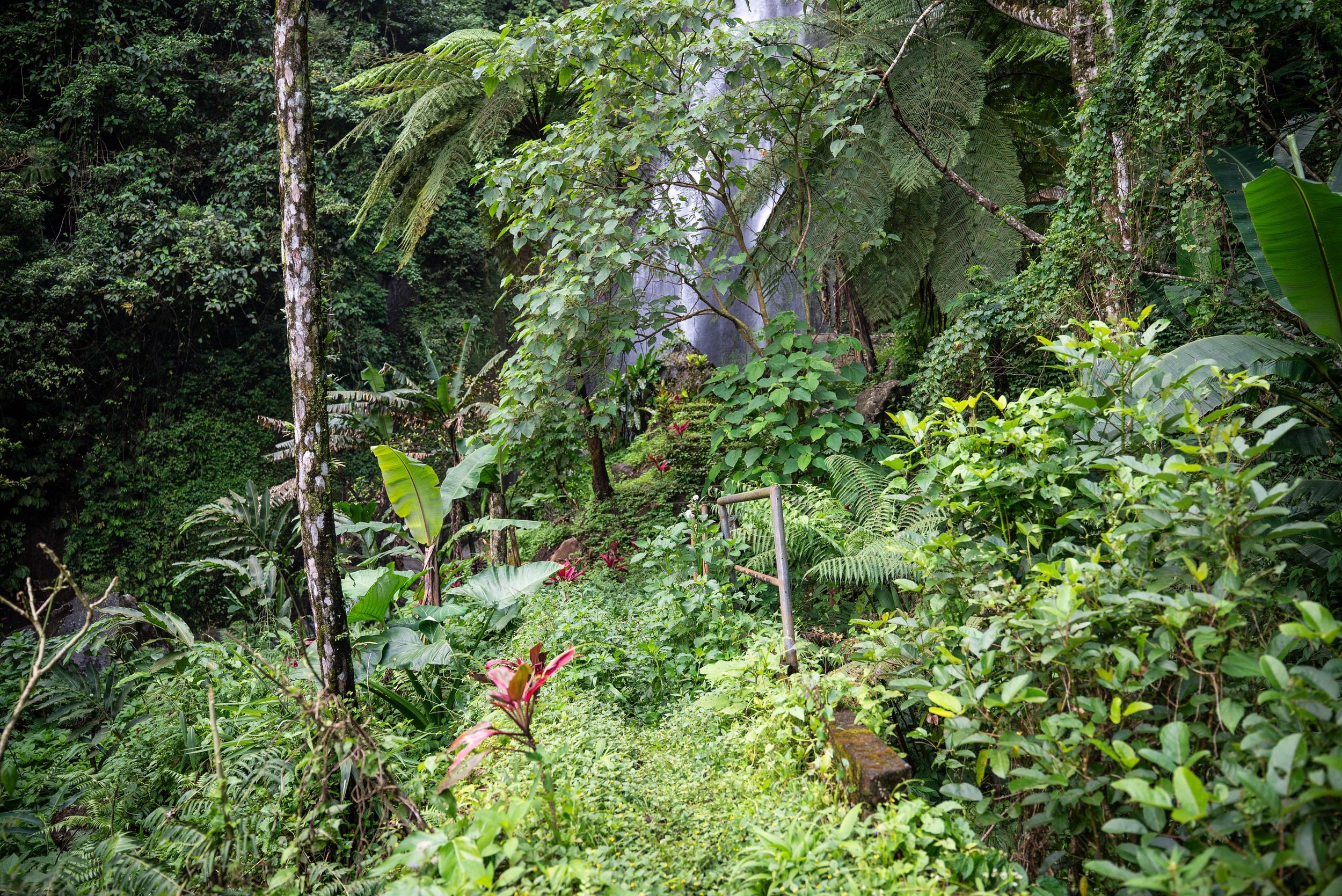
Instead, you're surrounded by jungle, coffee plantations, clove trees and steep valleys. It feels far more natural than the famous Instagram waterfalls.
Personally, I think North Bali is where the island really shines.
“Northern Bali, in my humble opinion, is the place to go when visiting Bali.”
Is Bengbengan Waterfall Really Hidden?
Not exactly.
The phrase “hidden waterfall” gets thrown around a lot in Bali, and Bengbengan is slowly becoming more popular.
Travel blogs and social media have already started bringing attention to it, and I suspect that won't stop anytime soon.
For now though, it still feels wonderfully quiet. During my visit I didn't see another person.
The Walk to the Waterfall
This is where many online guides don't tell the full story.
Although it isn't a long hike, it is definitely not an easy stroll.
Expect:
- Steep sections
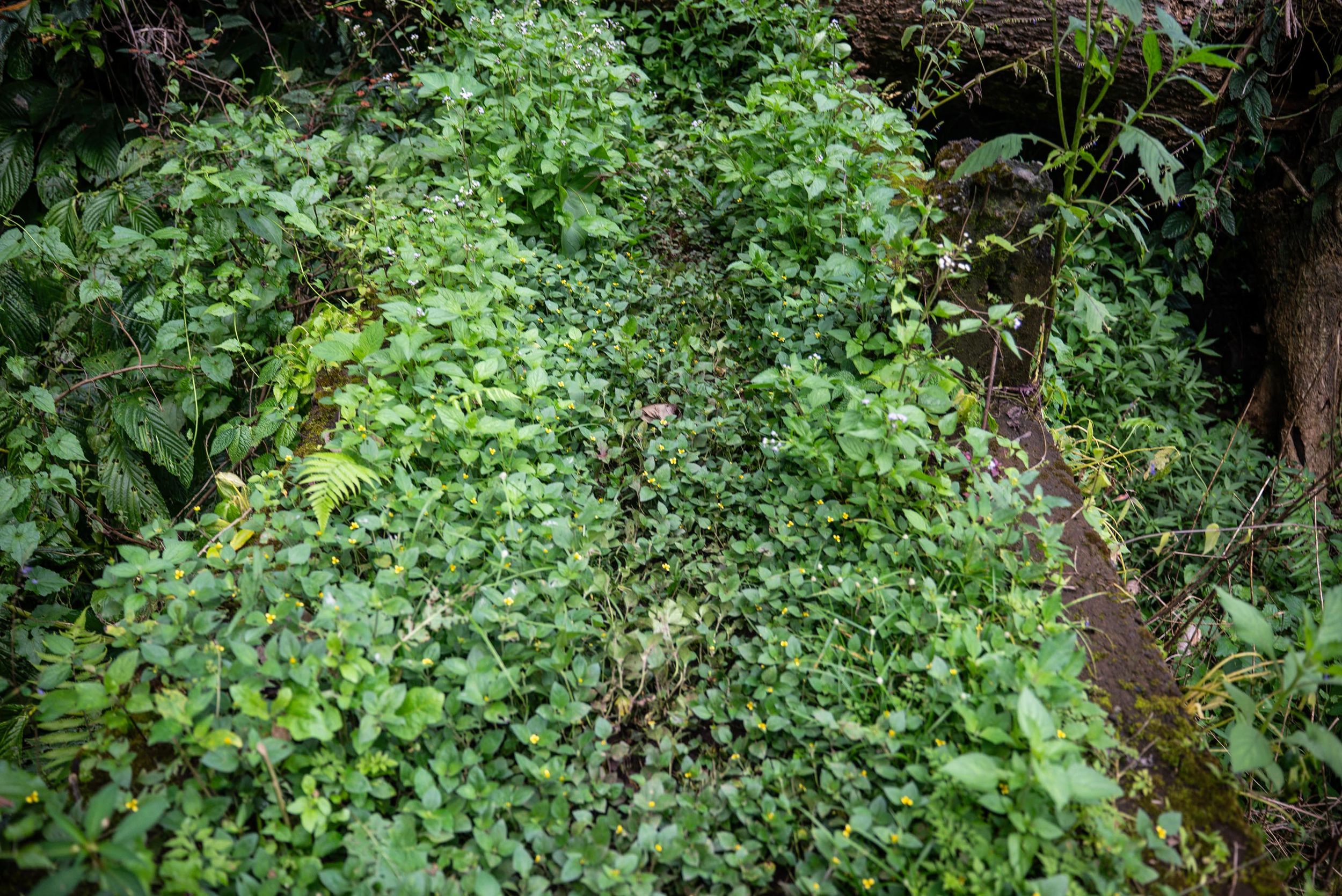
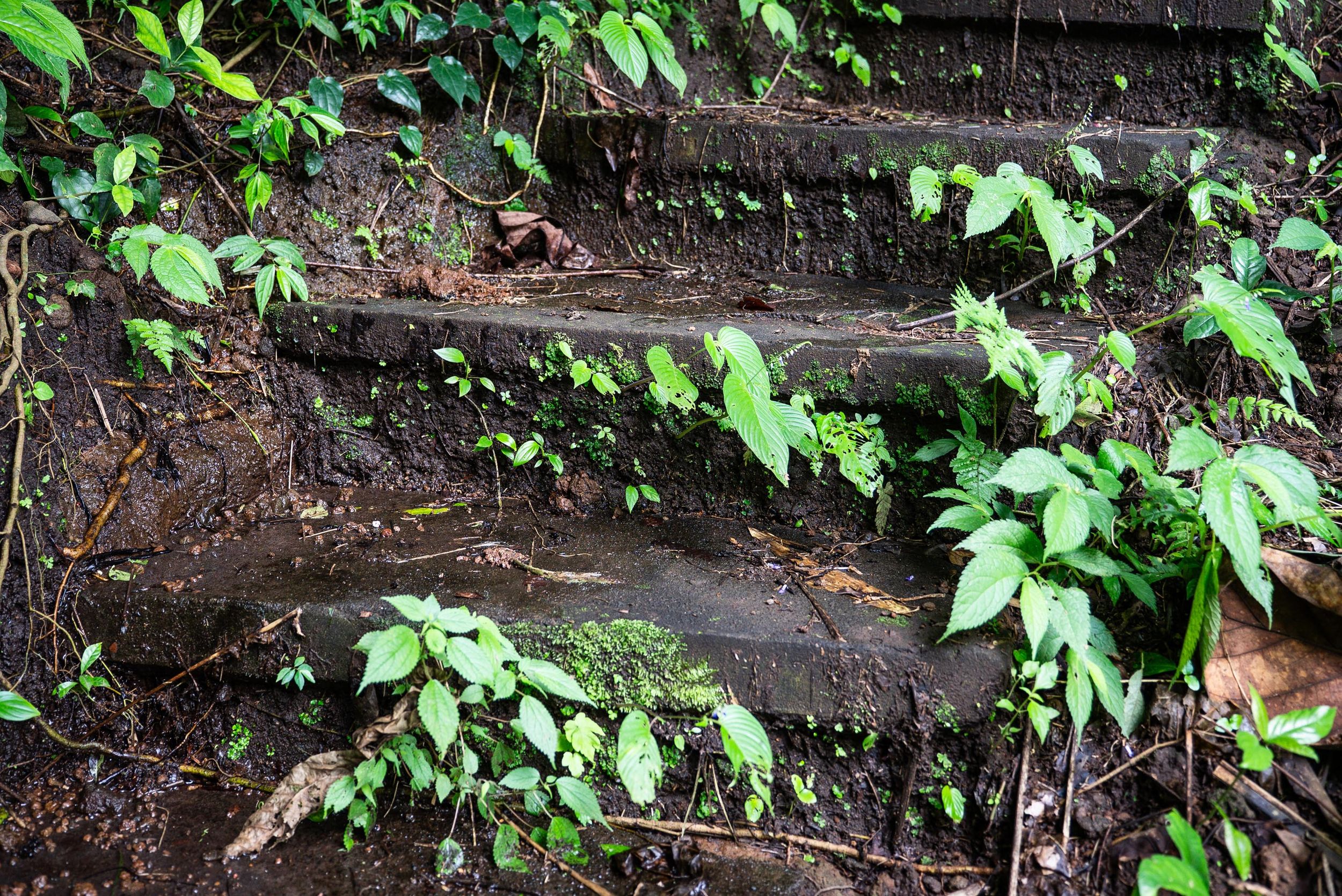
- Slippery surfaces
- Uneven jungle paths
- Ageing and crumbling stone steps
I visited wearing ordinary trainers and managed perfectly well, but I nearly slipped several times.
If it's recently rained, I'd think twice before attempting it.
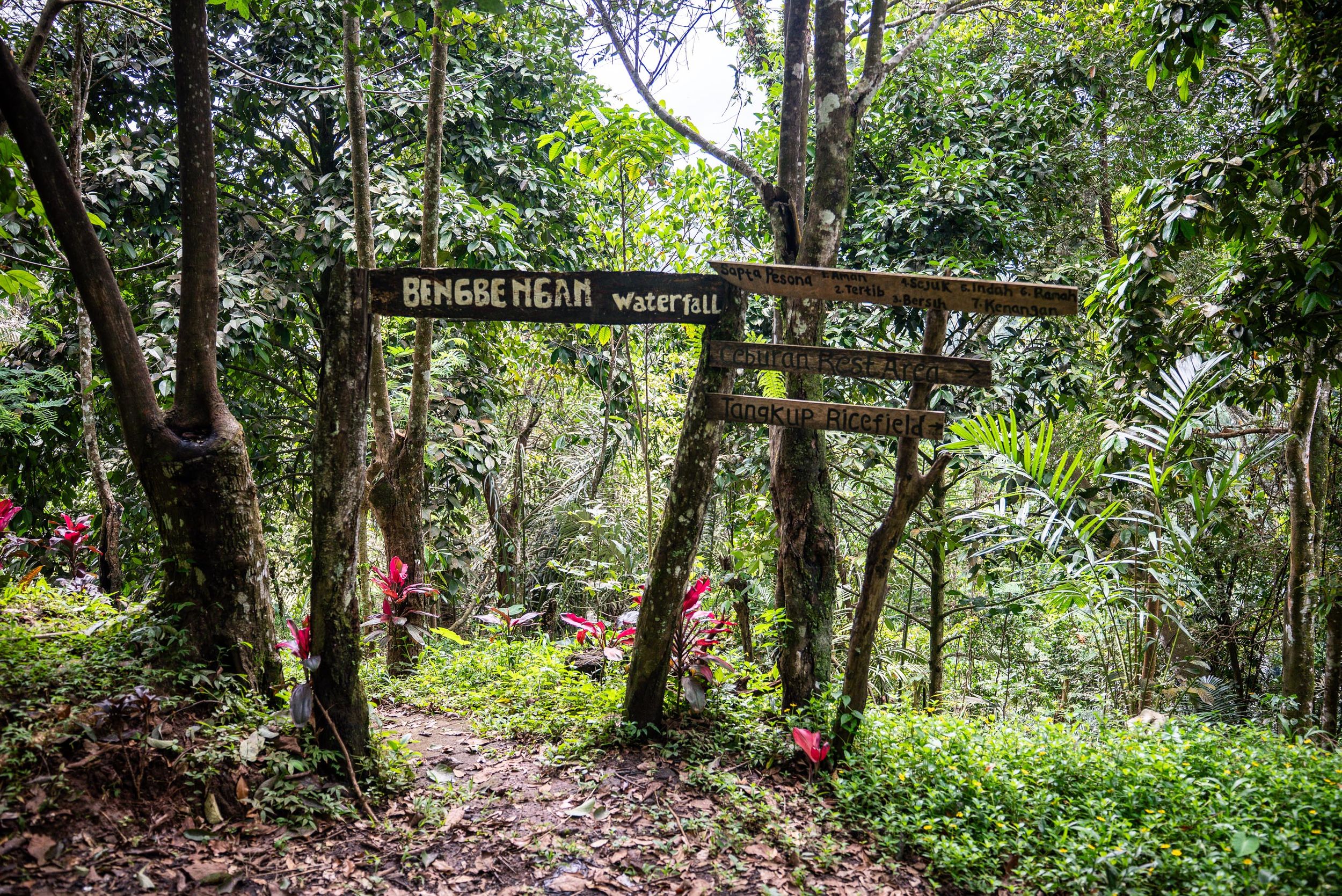
The trail itself is enjoyable though, winding through dense jungle and plantations before finally revealing the waterfall.
Is Bengbengan Waterfall Safe?
Generally yes, but you need to use common sense.
The biggest hazards are slippery rocks and muddy paths.
If you're travelling alone, a simple fall could quickly become a bigger problem because there are very few people around.
I wouldn't recommend this waterfall for anyone with mobility issues or anyone expecting a straightforward walk.
Can You Swim at Bengbengan Waterfall?
Swimming is possible depending on the water levels, but this isn't one of Bali's large swimming waterfalls with developed pools and safety barriers.
Conditions change throughout the year, especially during the rainy season when water levels rise significantly.
Most visitors come here for the scenery rather than to spend hours in the water.
Is Bengbengan Waterfall Worth Visiting?
Absolutely, if you're the right type of traveller.
If you enjoy quieter places, don't mind a bit of adventure and prefer authentic experiences over polished tourist attractions, Bengbengan is one of North Bali's hidden gems.
That said, I probably wouldn't drive all the way from Ubud just to visit this waterfall alone.
It makes much more sense as part of a full day exploring North Bali alongside places like Sekumpul, Fiji Waterfall or Banyumala Twin Waterfalls.
If you're looking for cafés, easy access or somewhere suitable for very young children, this probably isn't the waterfall for you.
For everyone else, it's one of the most rewarding waterfall experiences I've had in Bali.
“The real appeal of Bengbengan is the atmosphere: a glimpse into a quieter side of Bali that many visitors never experience.”
Nearby Places to Visit
If you're already in the area, consider combining Bengbengan with:
- Sekumpul Waterfall
- Fiji Waterfall
- Banyumala Twin Waterfalls
- Lake Buyan
- Lake Tamblingan
- Munduk
North Bali is one of the island's best regions for waterfall chasing, scenic mountain roads and lush jungle landscapes.
If you're planning to stay in the area, I stayed at Munduk Luxury Heaven while exploring North Bali. You can watch my Munduk Luxury Heaven hotel review on YouTube to see what it was like.
Frequently Asked Questions
Is Bengbengan Waterfall worth visiting?
Yes. It's ideal for travellers looking for a quieter and more adventurous waterfall experience. It's best visited as part of a wider North Bali itinerary.
Is Bengbengan Waterfall free?
No. There's usually an entrance fee of around 20,000 IDR, despite some online reviews suggesting otherwise.
How difficult is the hike?
Moderate to challenging. The trail includes steep sections, slippery surfaces and ageing steps, particularly after rain.
Can you swim there?
Sometimes. It depends on the water levels and current conditions, so always assess the situation before entering the water.
When is the best time to visit?
The dry season offers the safest trail conditions and lower water levels.
Final Thoughts
Bengbengan Waterfall probably won't remain crowd-free forever.
As more travel blogs and social media posts discover it, visitors will inevitably follow.
For now though, it still offers something that's becoming increasingly rare in Bali: a waterfall that feels genuinely peaceful, wonderfully wild and relatively untouched.
If you're exploring North Bali, I'd happily recommend adding it to your itinerary.