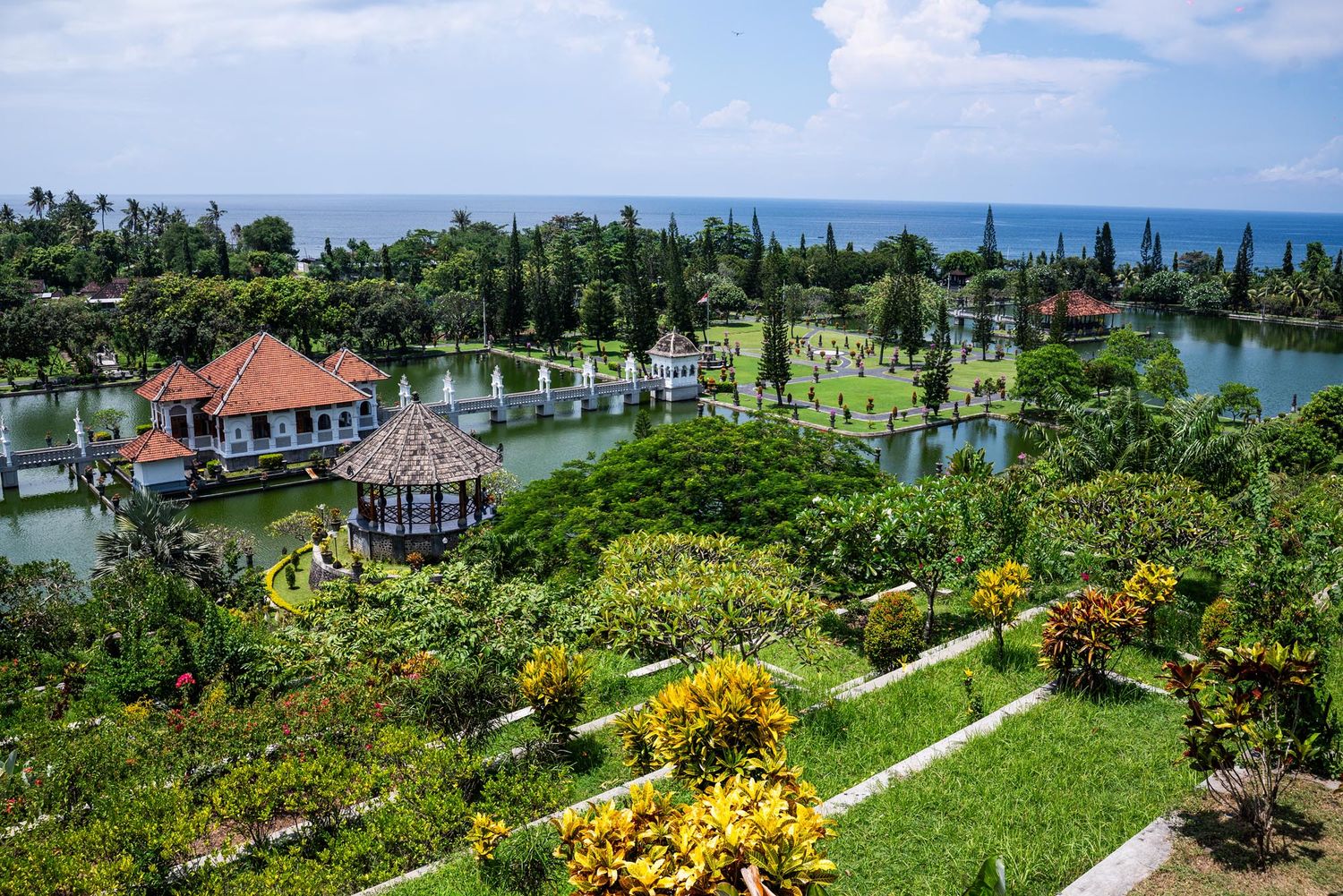
There are places in Bali that feel busy, chaotic, and built purely for tourism — and then there are places like Taman Ujung, where everything slows down.
Out in the far east of the island, away from the crowds of Canggu and Seminyak, you'll find this old royal water palace sitting quietly between the mountains and the sea. It's not a temple, it's not an adventure activity, and there's no big "experience" waiting for you when you arrive.
What you get instead is something much simpler — space, scenery, and a glimpse into Bali's royal past.
But here's the honest truth most guides won't tell you: Taman Ujung is not a place you travel across Bali just to see. It's a place you visit when you're already exploring East Bali — and when you do it right, it becomes one of the most peaceful and photogenic stops on your trip.
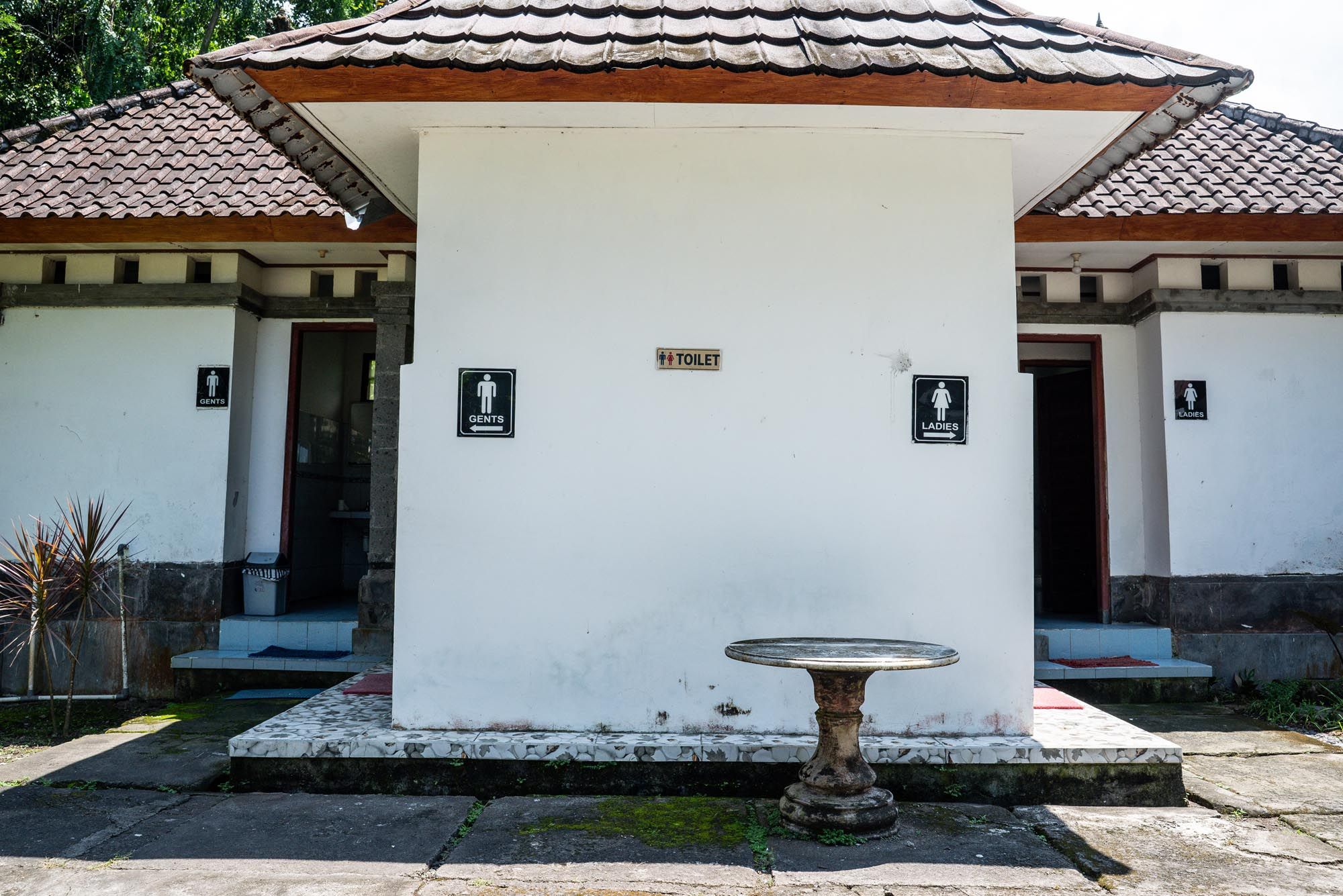
Toilets at Taman Ujung
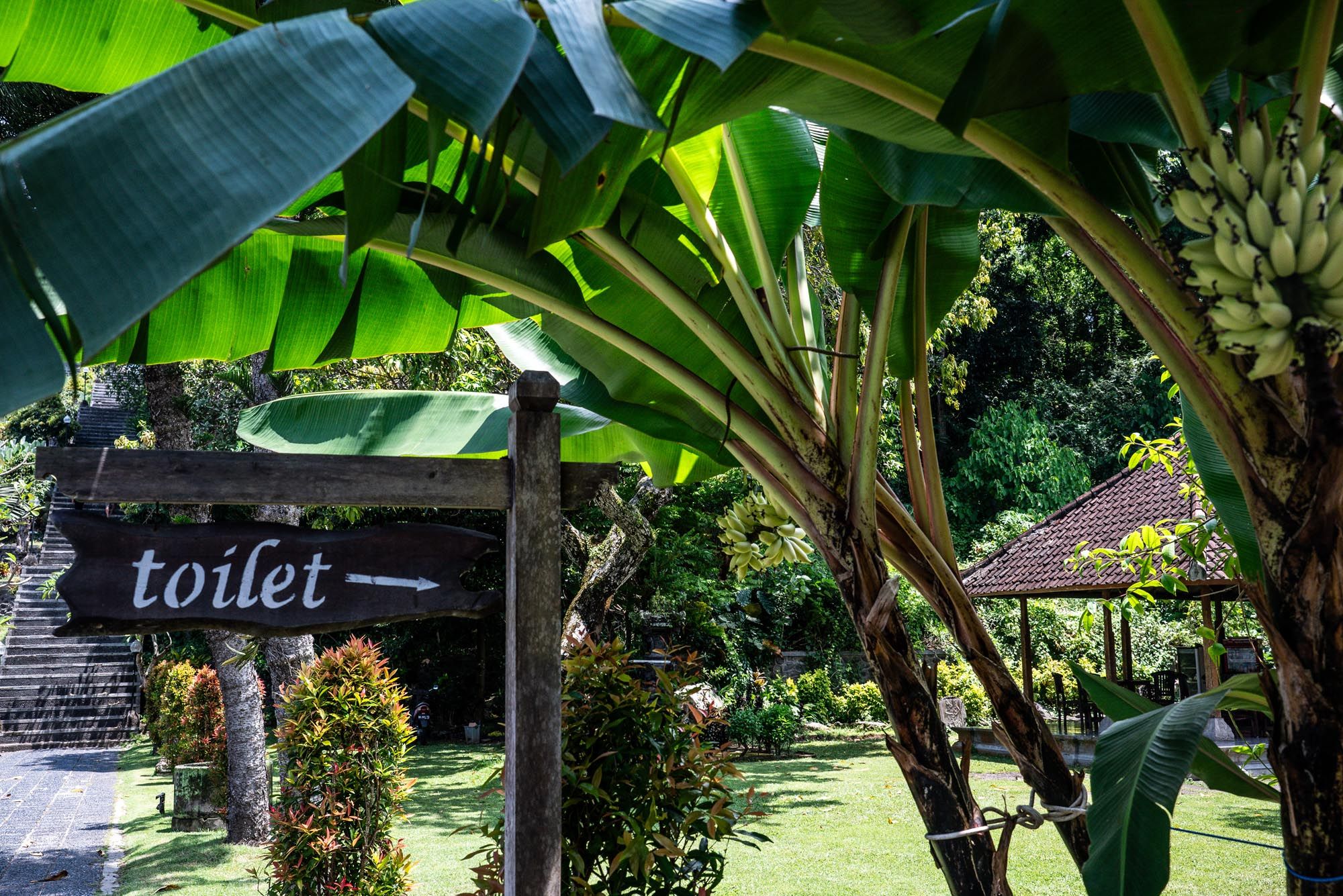
There are toilets available inside the Taman Ujung complex — useful to know before you start wandering the grounds.
As you enter the palace, you'll find a set of toilets on the lower level, off to the right near the entrance. These are the easiest to access when you first arrive. There's also another set up at the higher viewpoint area, near a small shop selling snacks and drinks — so if you're climbing the stairs for the views, you won't need to rush back down.
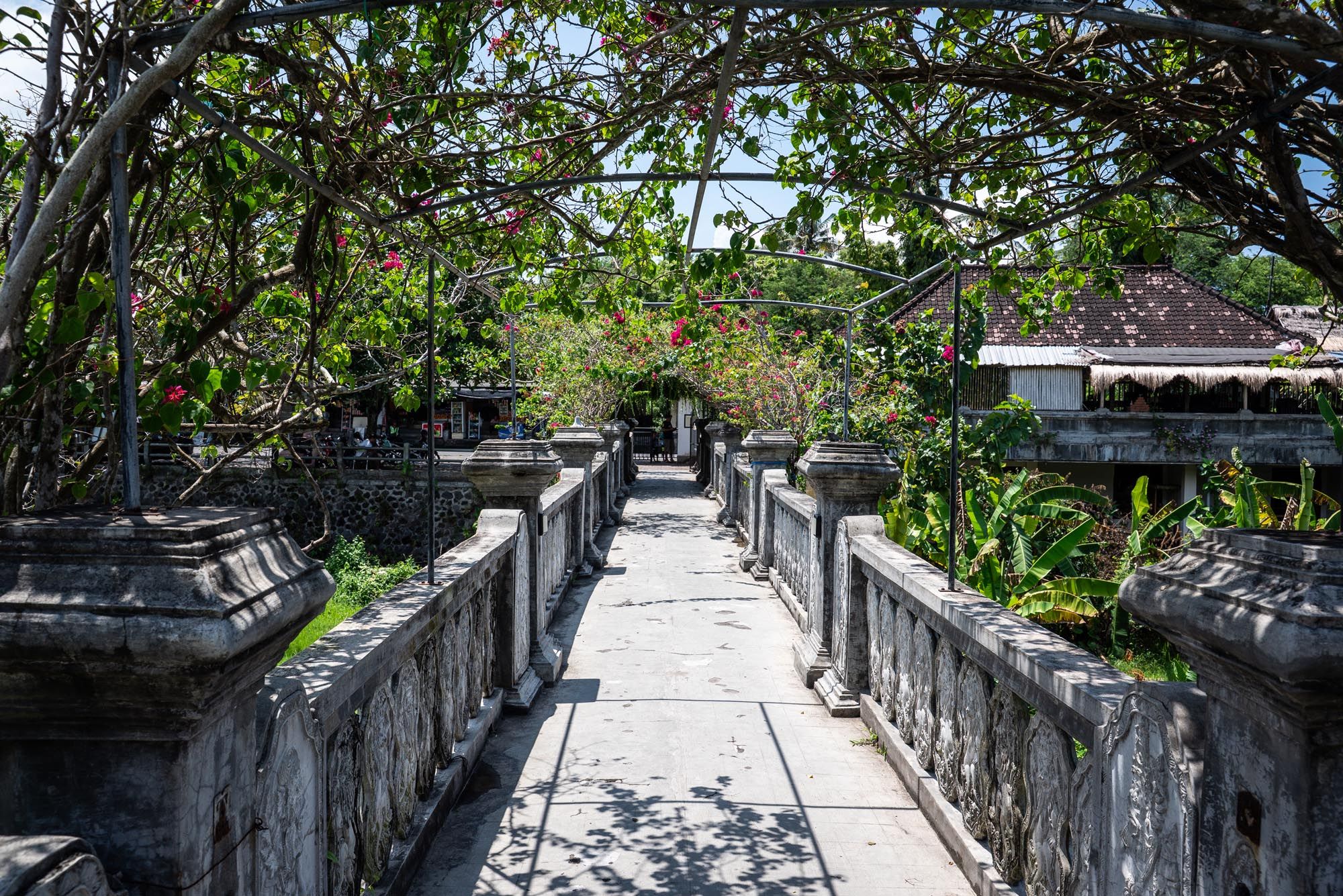
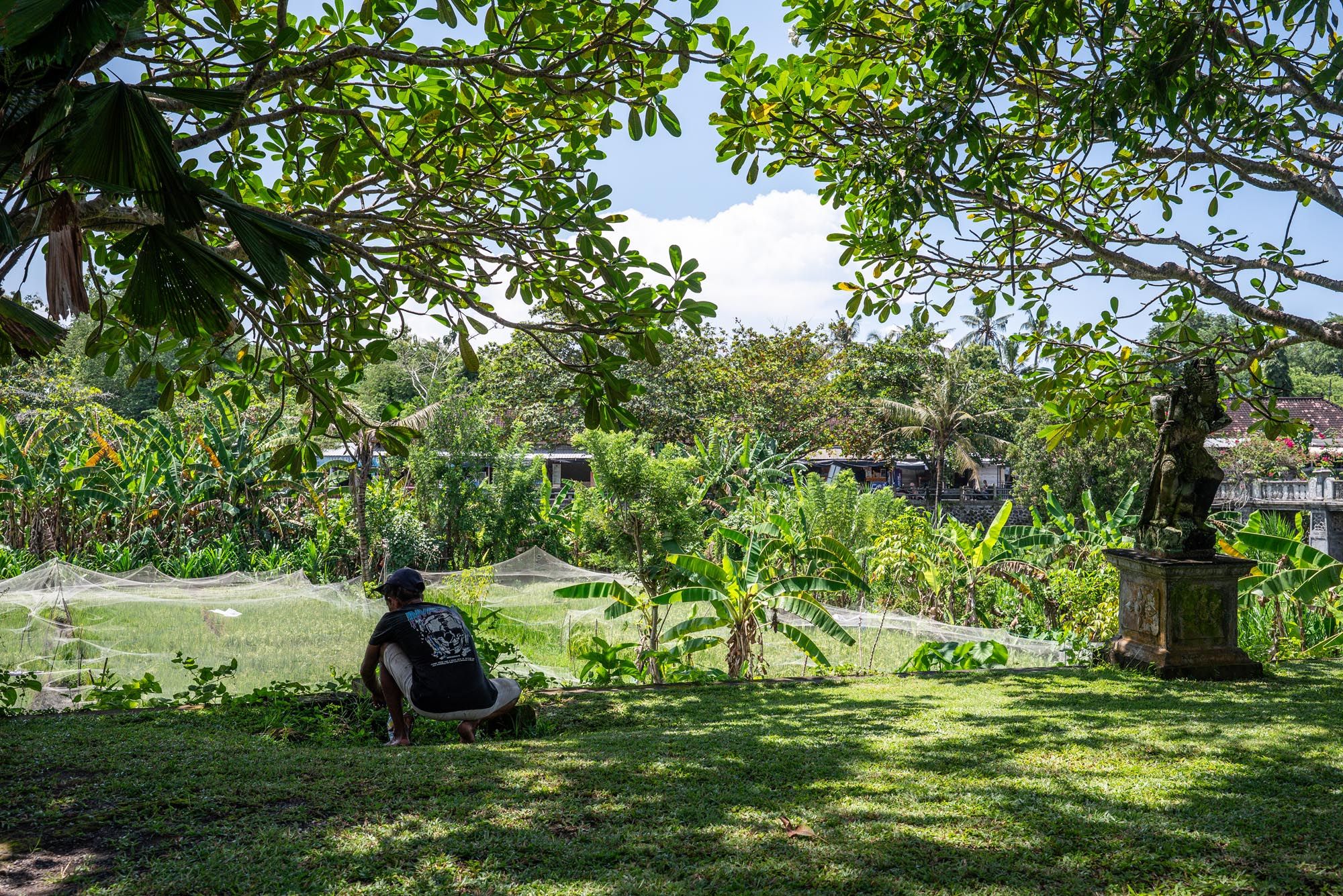
The entrance and lower gardens on arrival.
Entrance Fees & Opening Times
Opening Hours
Taman Ujung is open every day from 7:00 AM to 7:00 PM, with last entry usually around 6:00 PM. This gives you the flexibility to visit early for cooler temperatures or late afternoon when the light is at its best.
2026 Ticket Prices
| Ticket Type | IDR | GBP | USD |
|---|---|---|---|
| Adult | 100,000 | ~£5 | ~$6–7 |
| Child | 50,000 | ~£2.50 | ~$3–4 |
| Parking | 2,000–5,000 | ~£0.10–£0.25 | ~$0.10–$0.30 |
What Is Taman Ujung Water Palace?
Taman Ujung, also known as Taman Soekasada Ujung, is a former royal palace built on a series of large water gardens in Karangasem, East Bali.
It was never meant to be a traditional palace in the way you might imagine — no grand throne room, no royal residence hidden inside. Instead, it was designed as a leisure retreat for the royal family: a place to host guests, relax, and escape the heat.
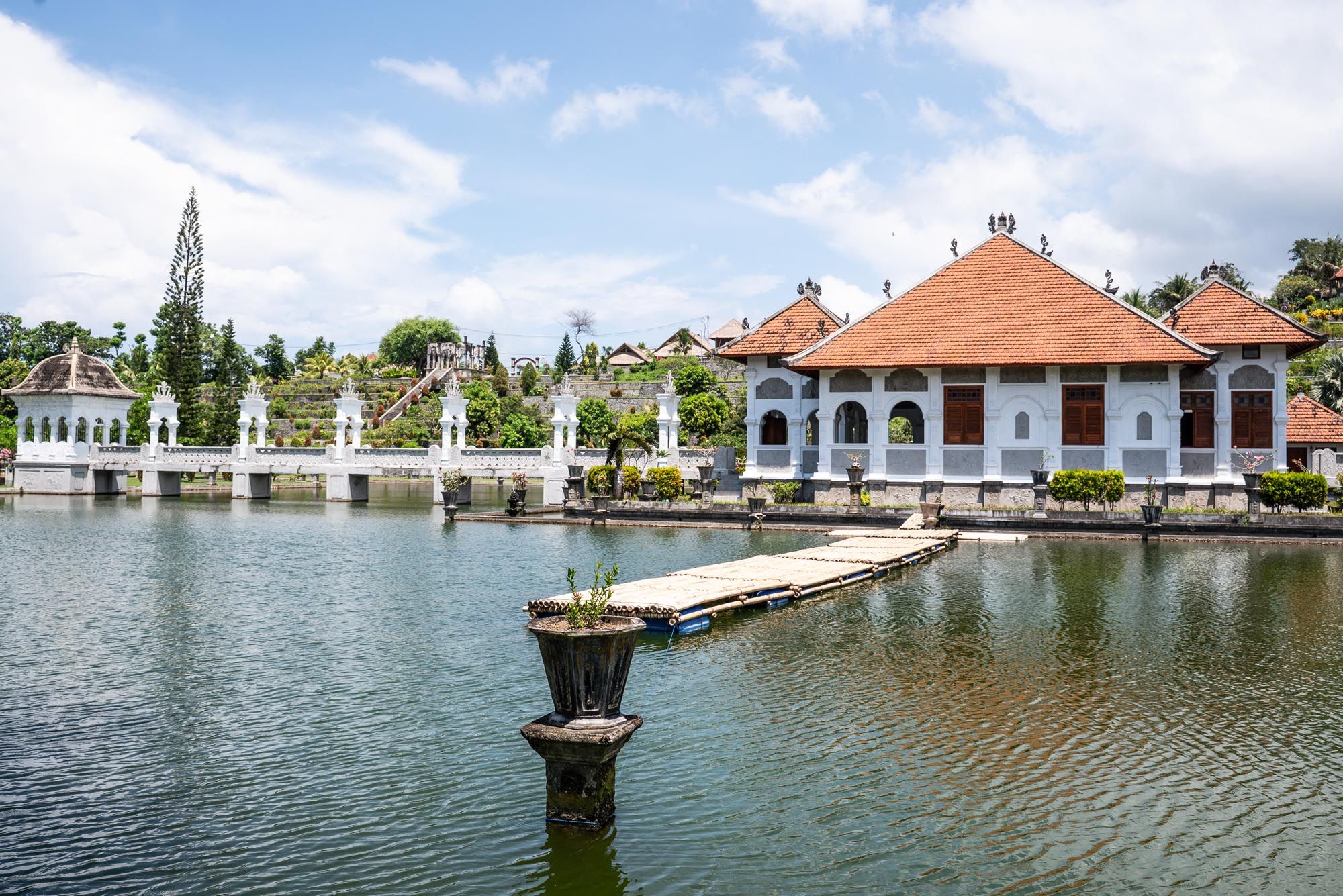
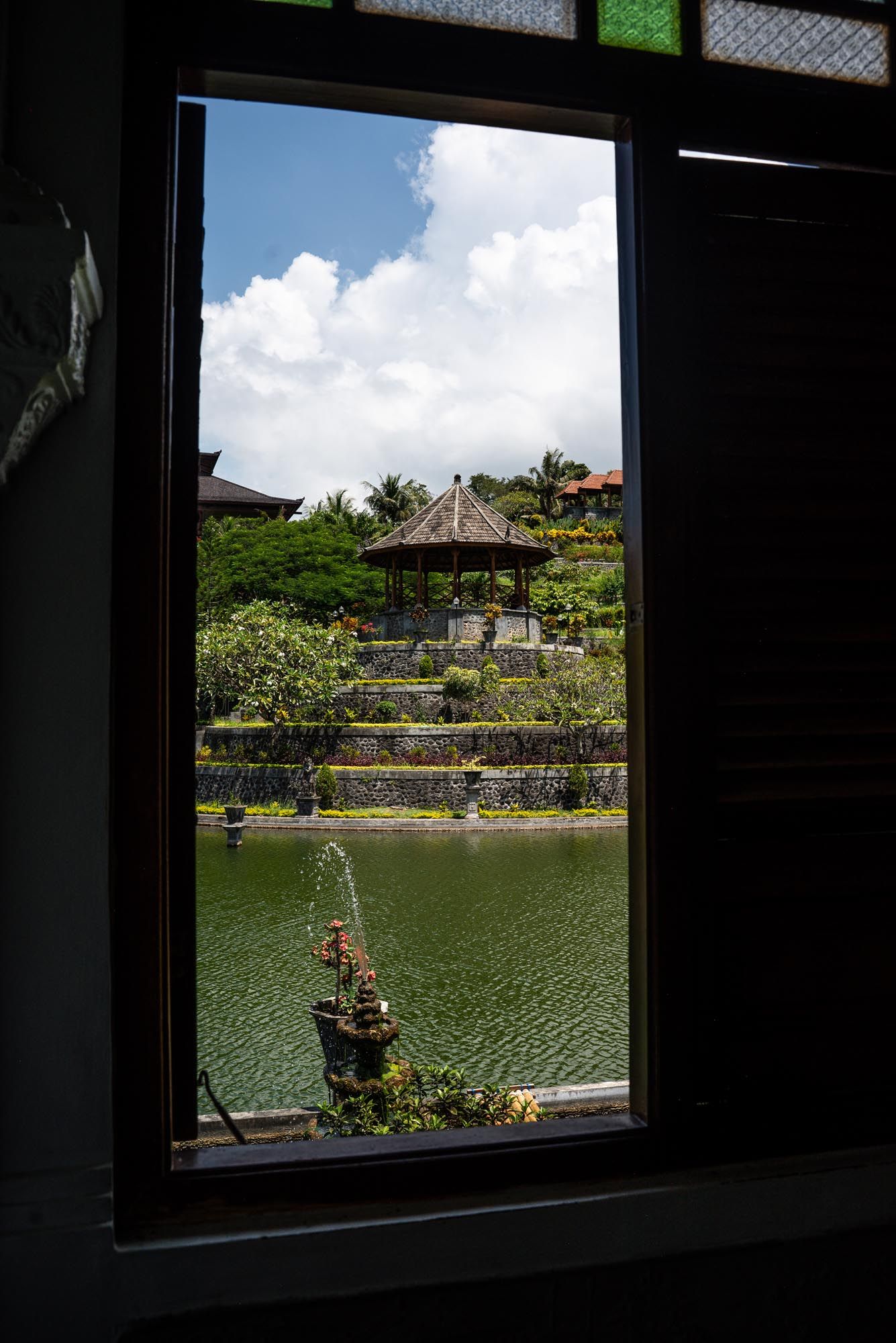
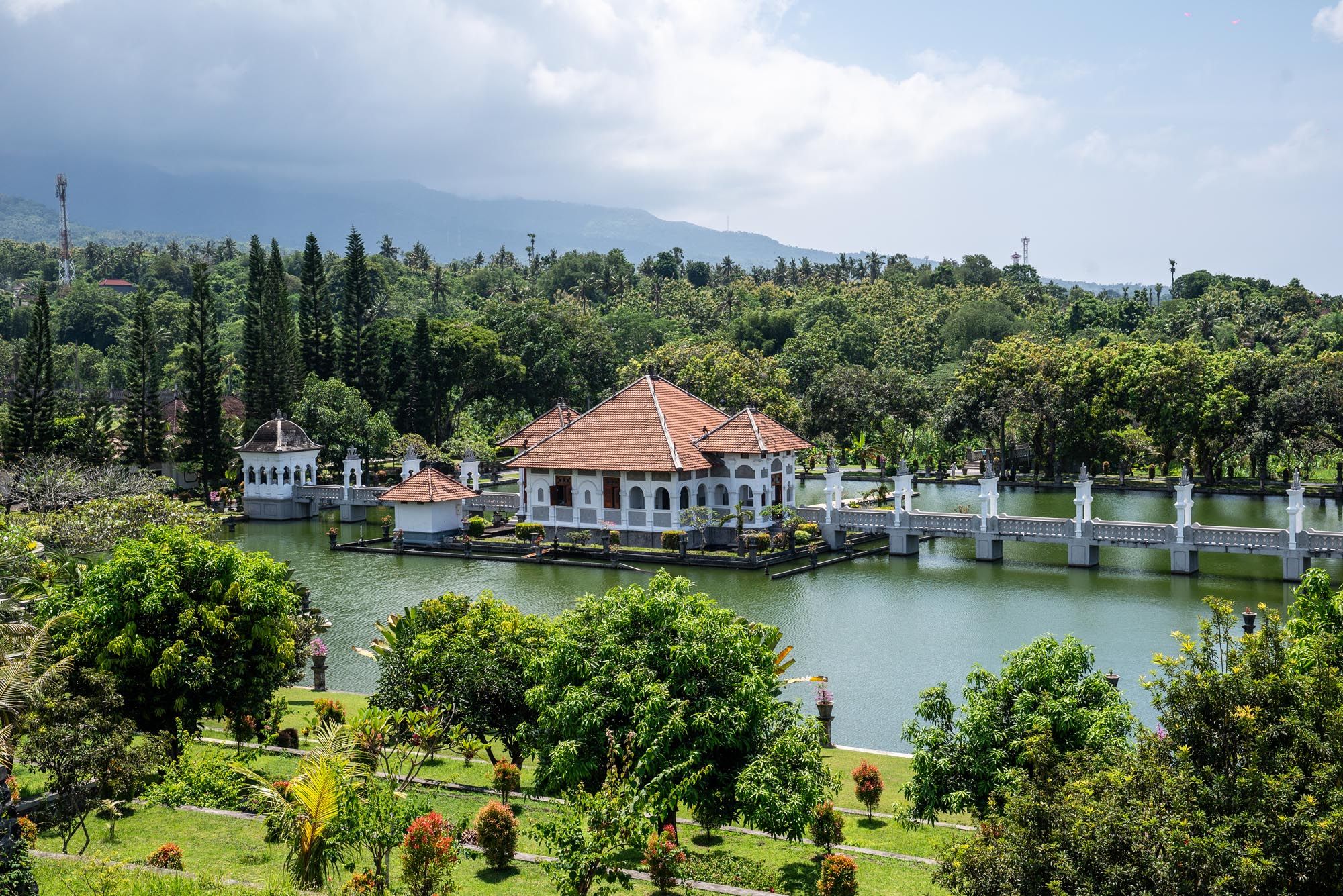
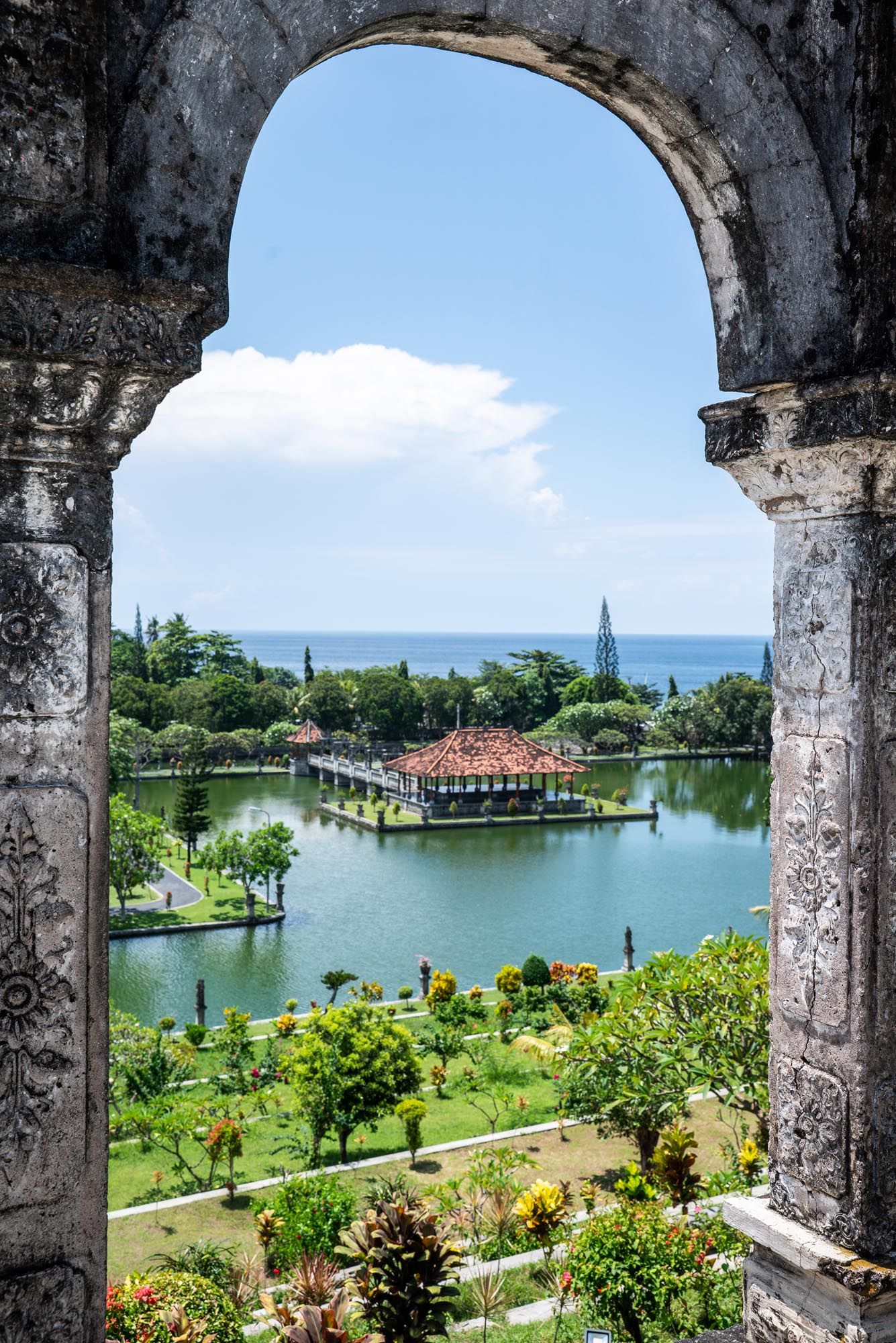
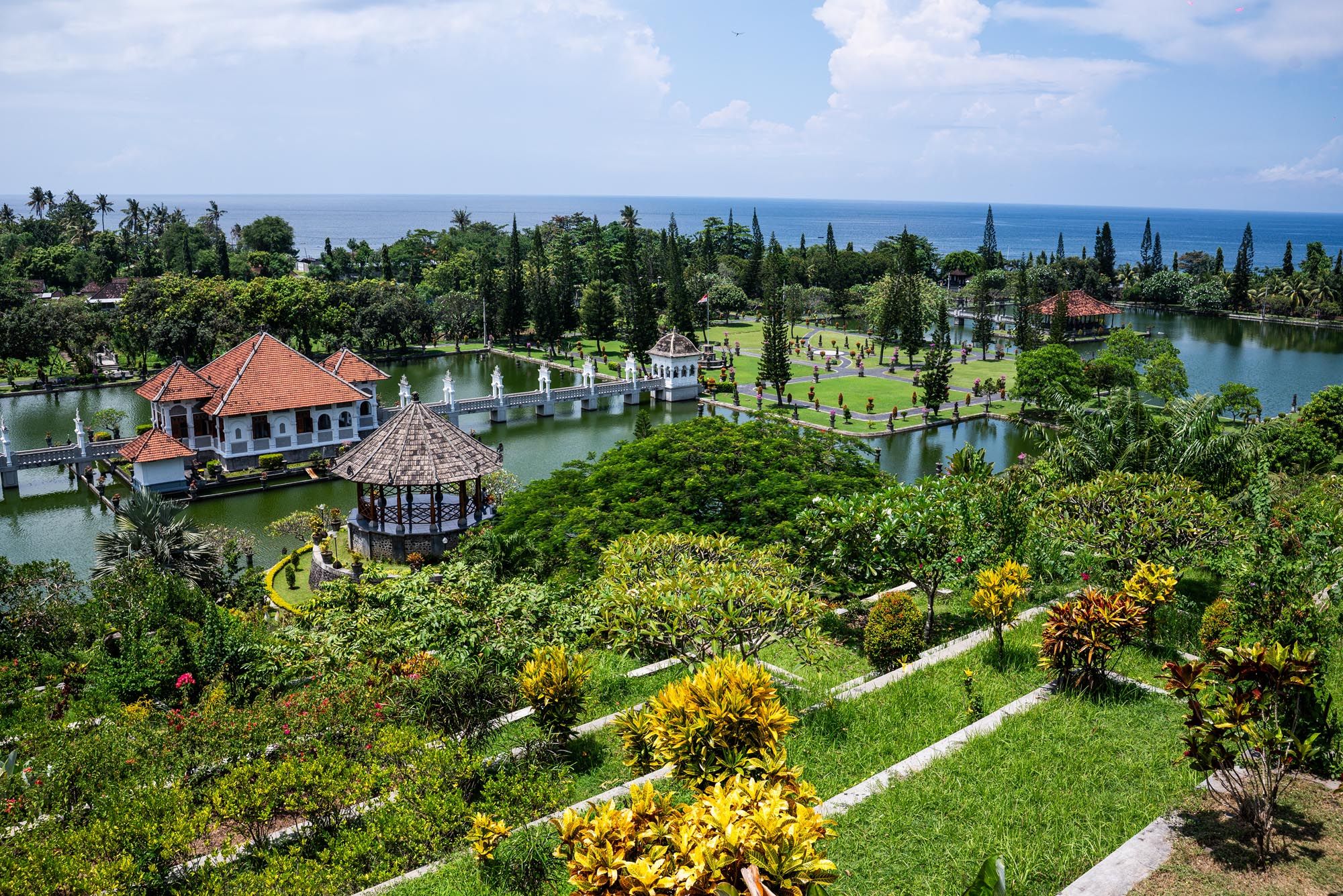
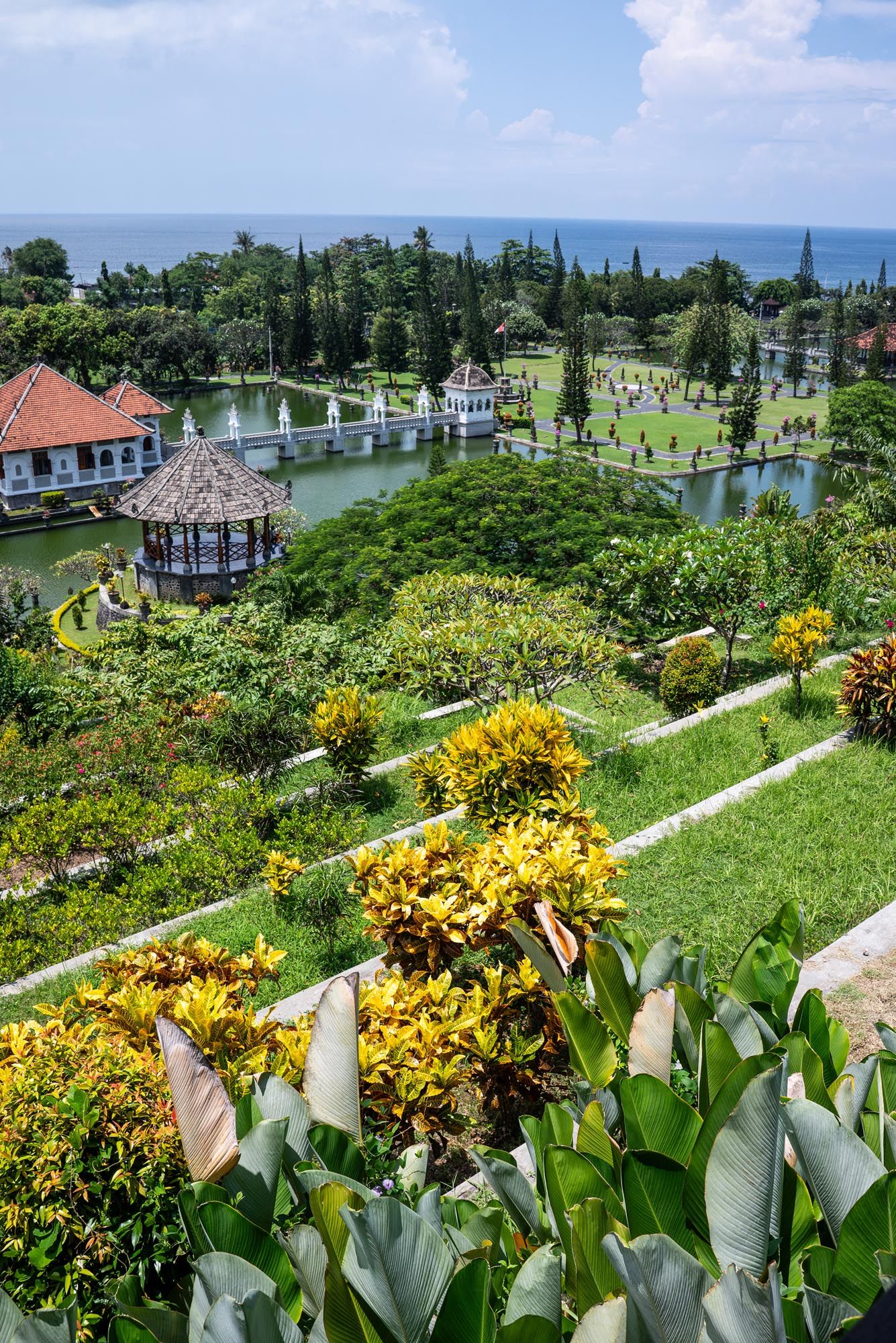
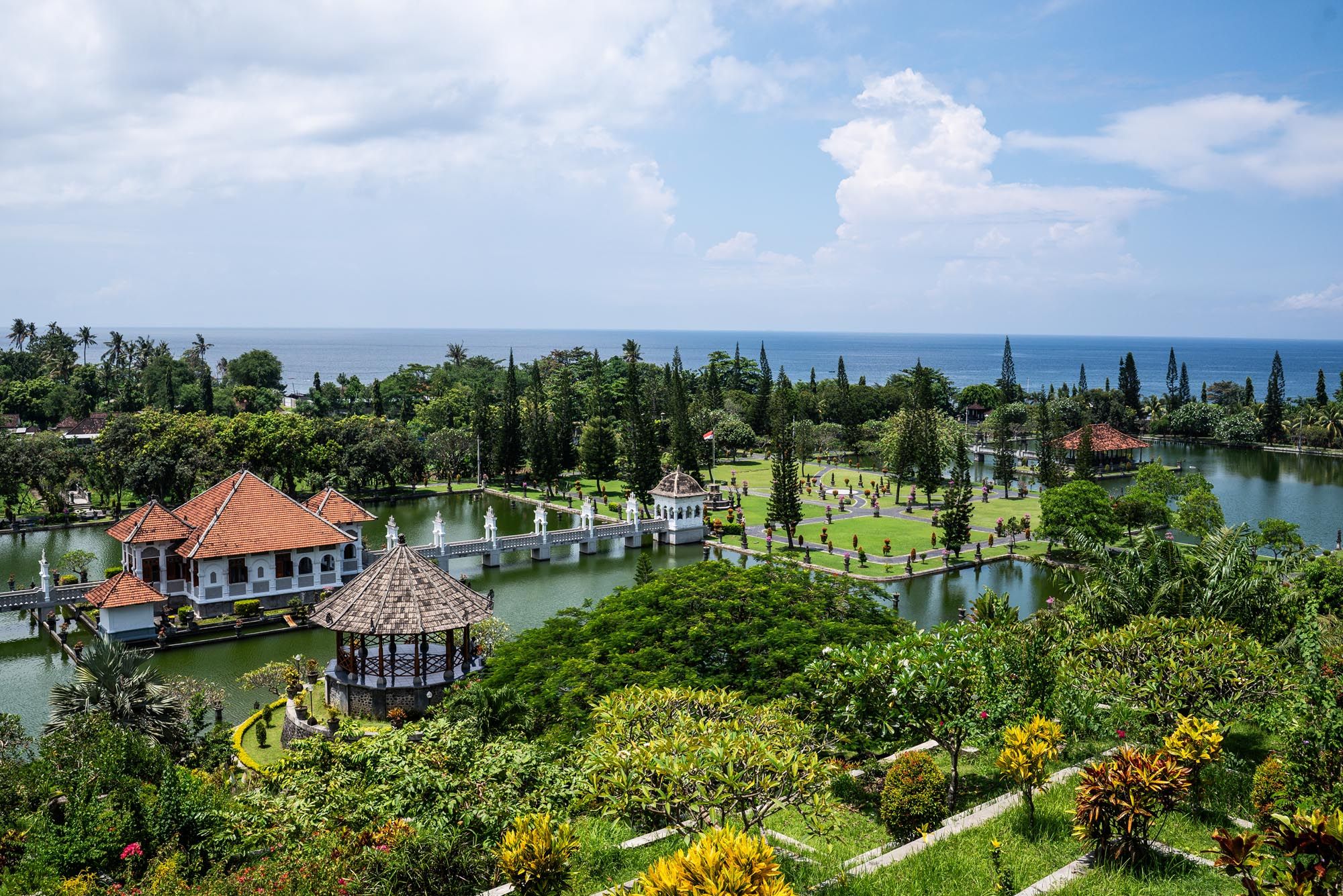
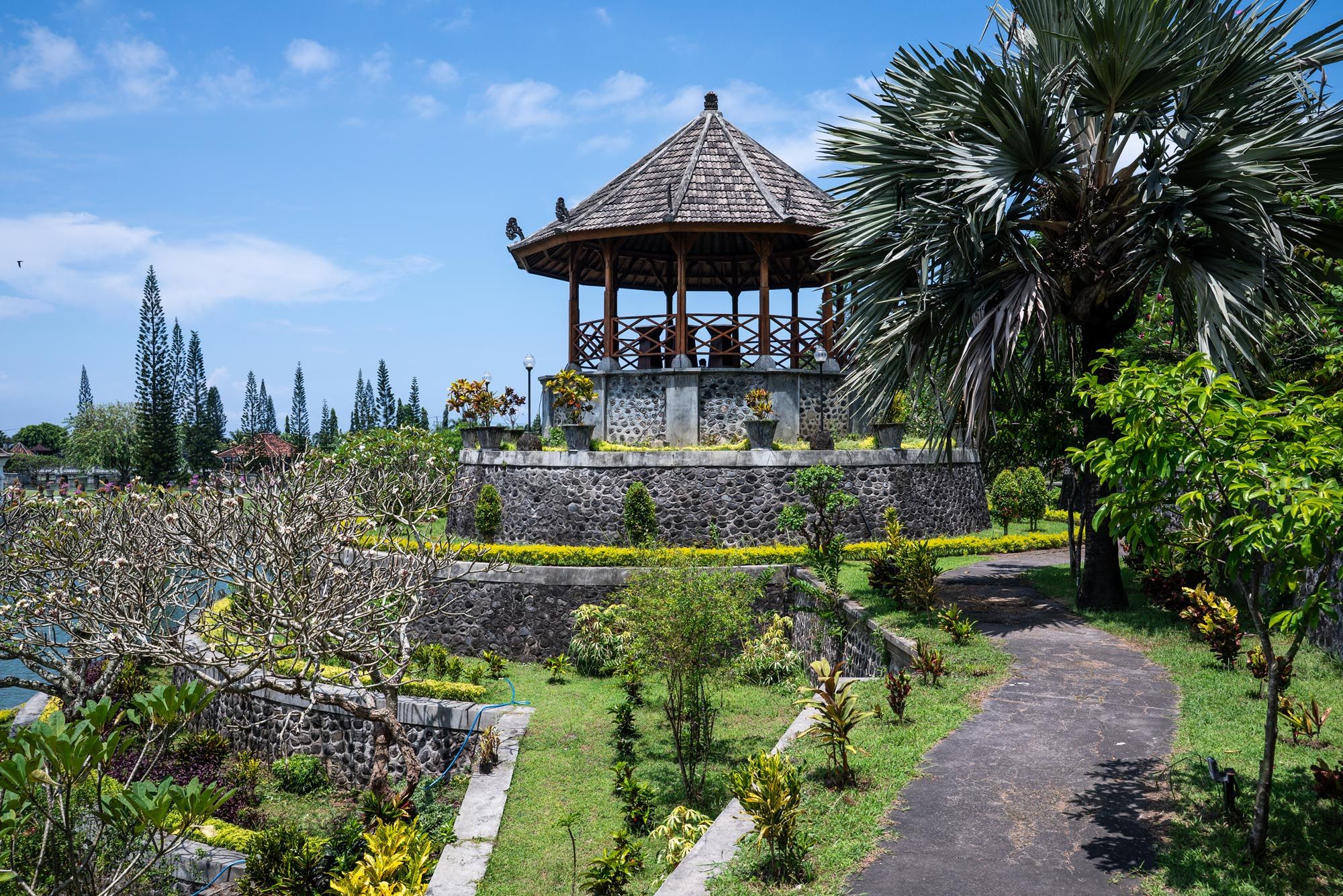
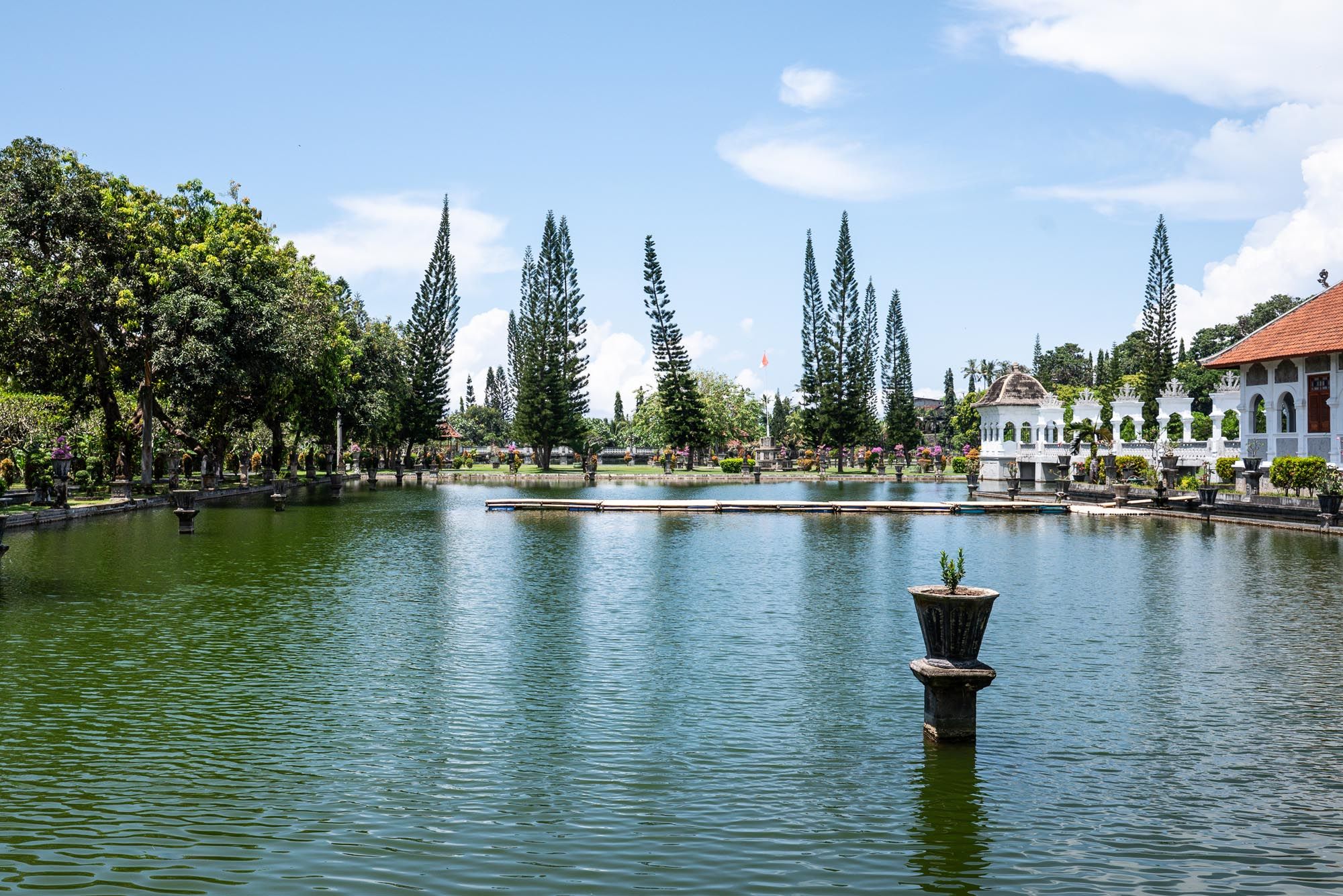
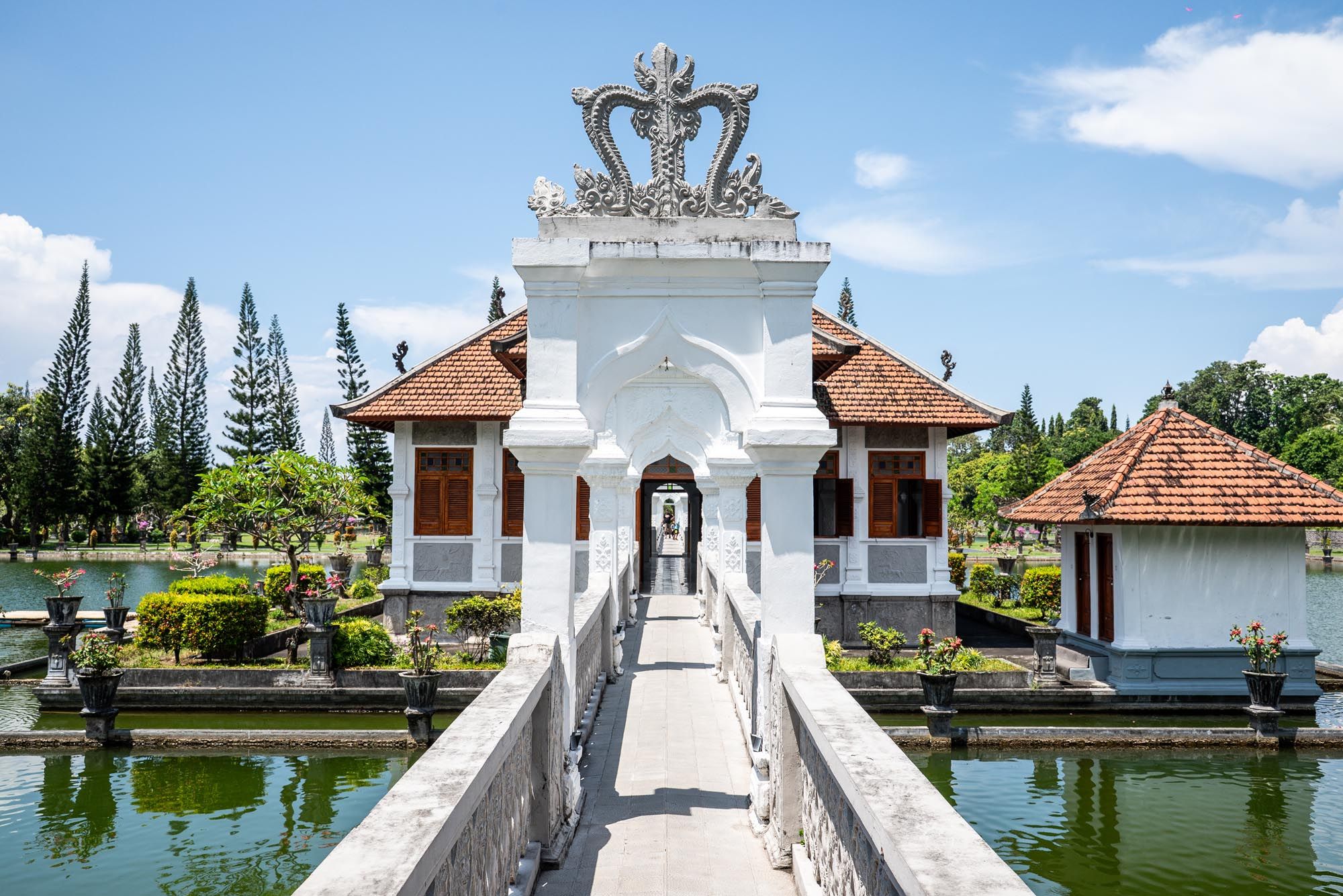
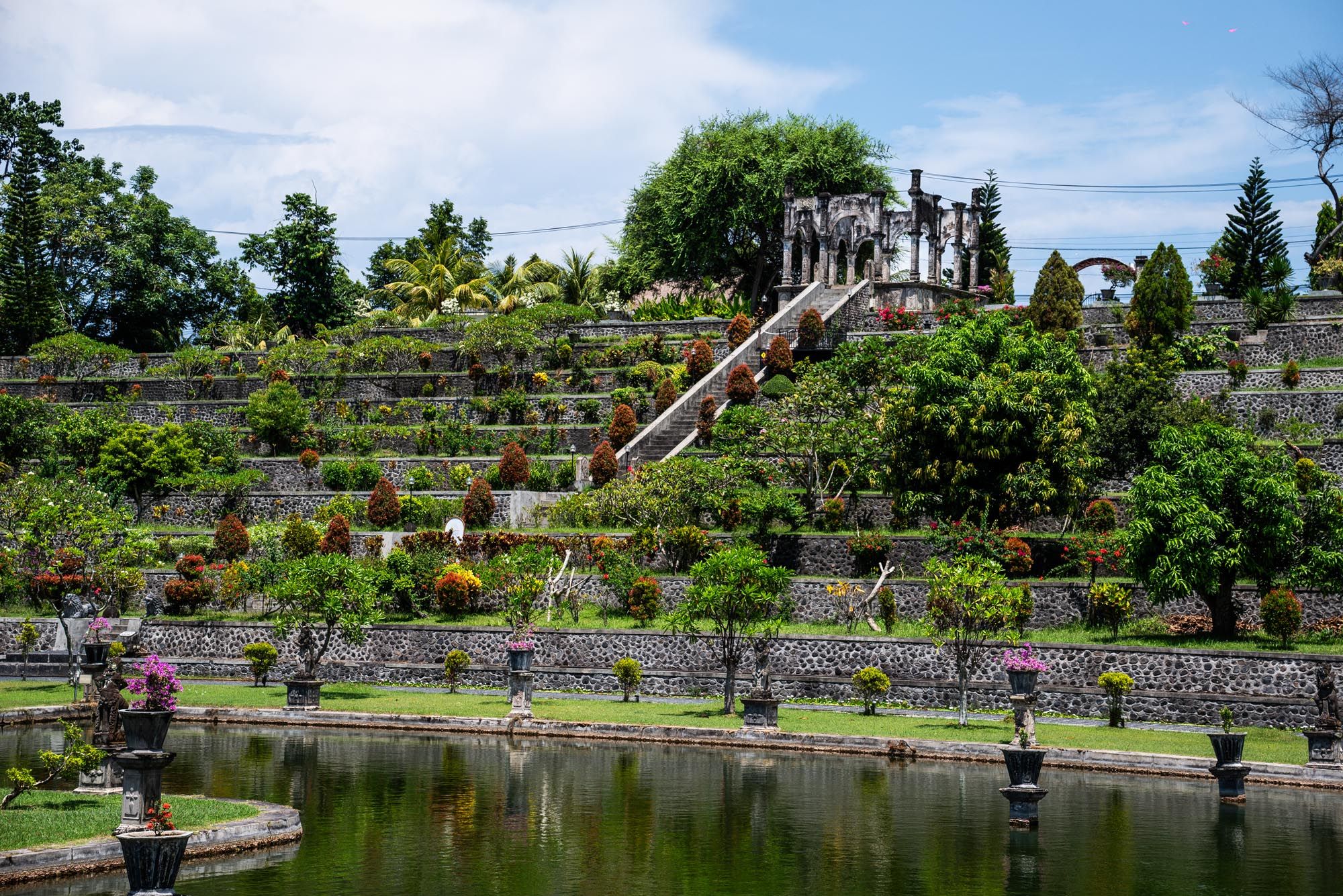
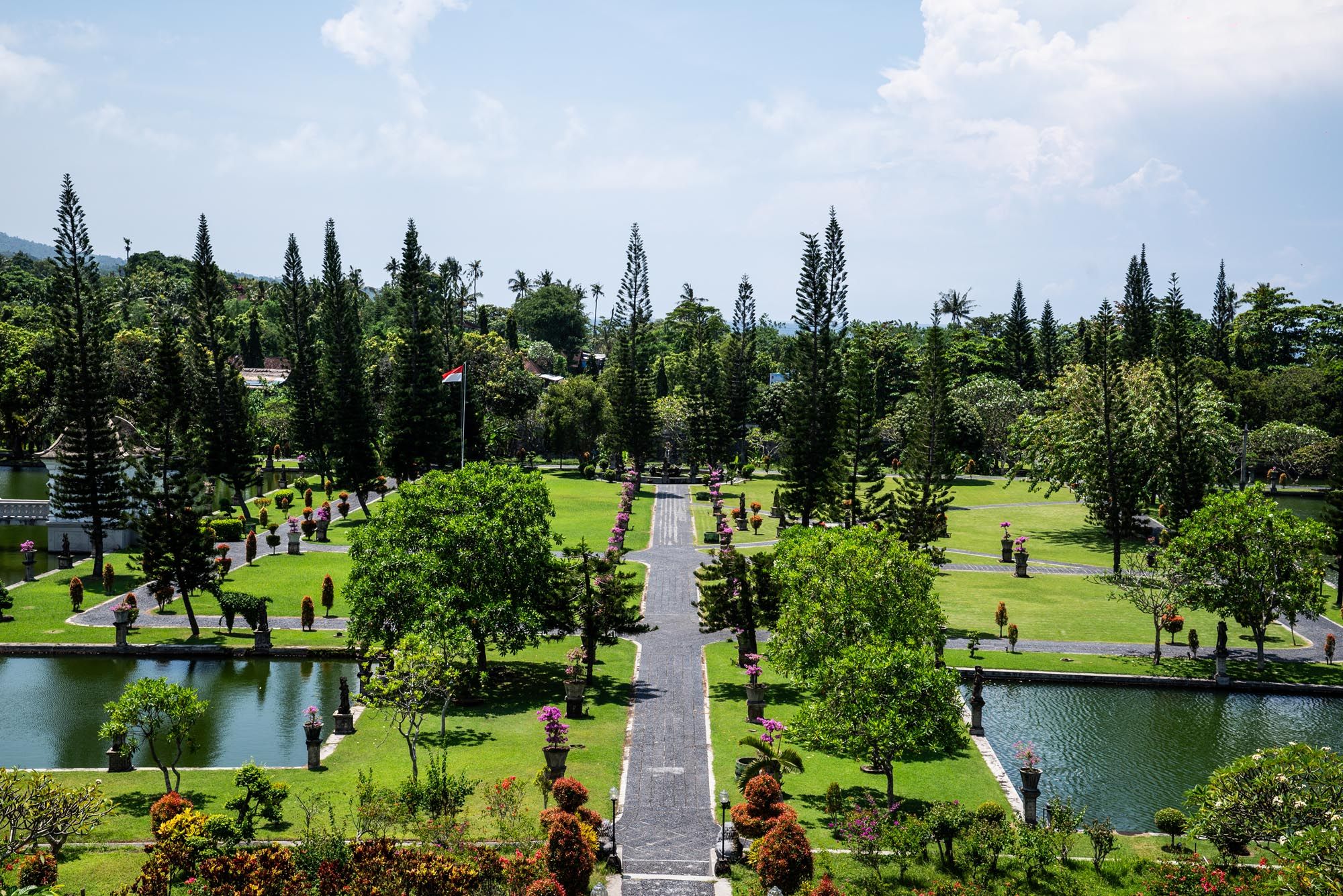
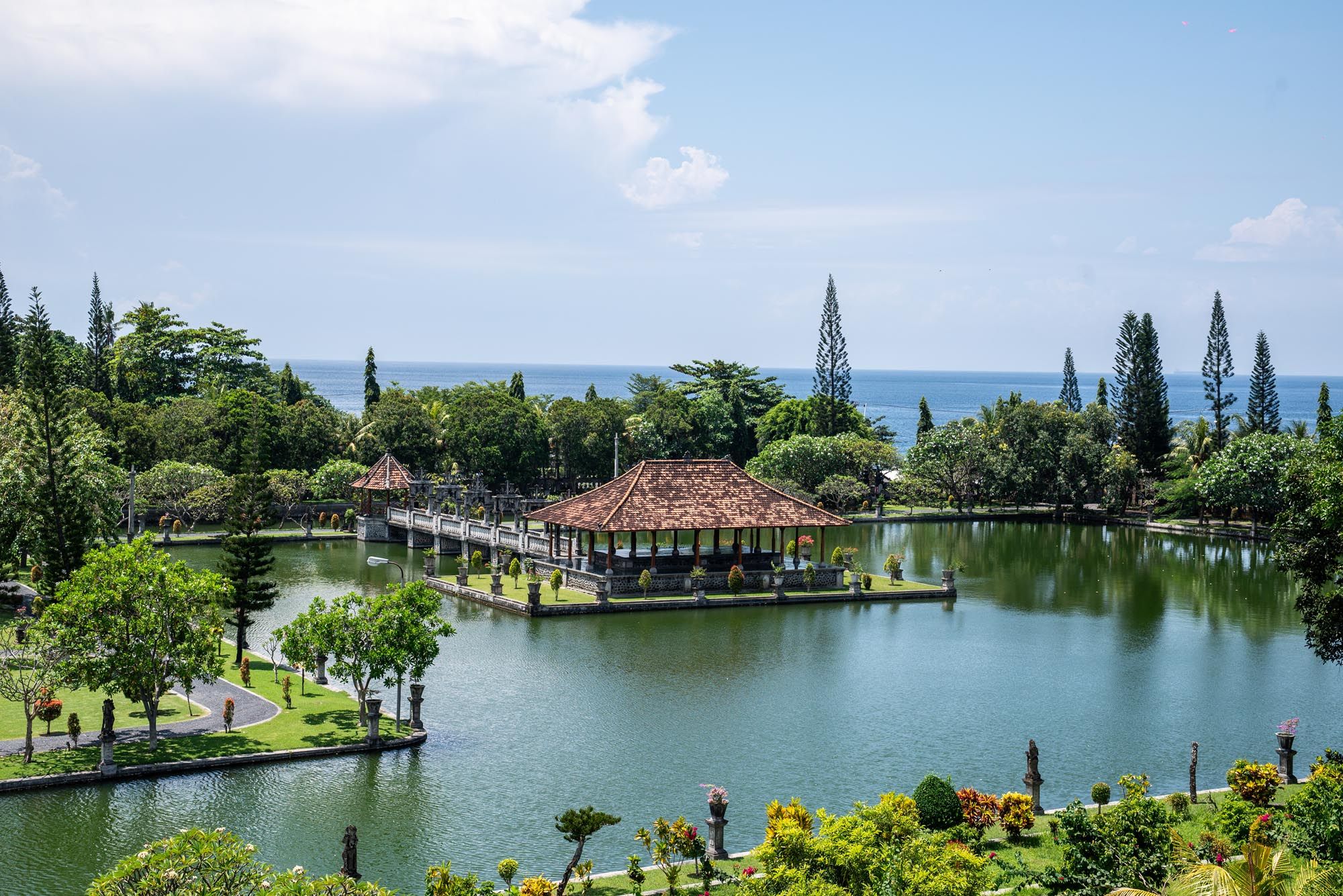
The entire complex is built around water. Large ponds stretch across the grounds, connected by long stone bridges that lead to pavilions sitting almost like islands. Pathways wind through gardens, staircases climb toward elevated viewpoints, and everything feels deliberately open and spacious.
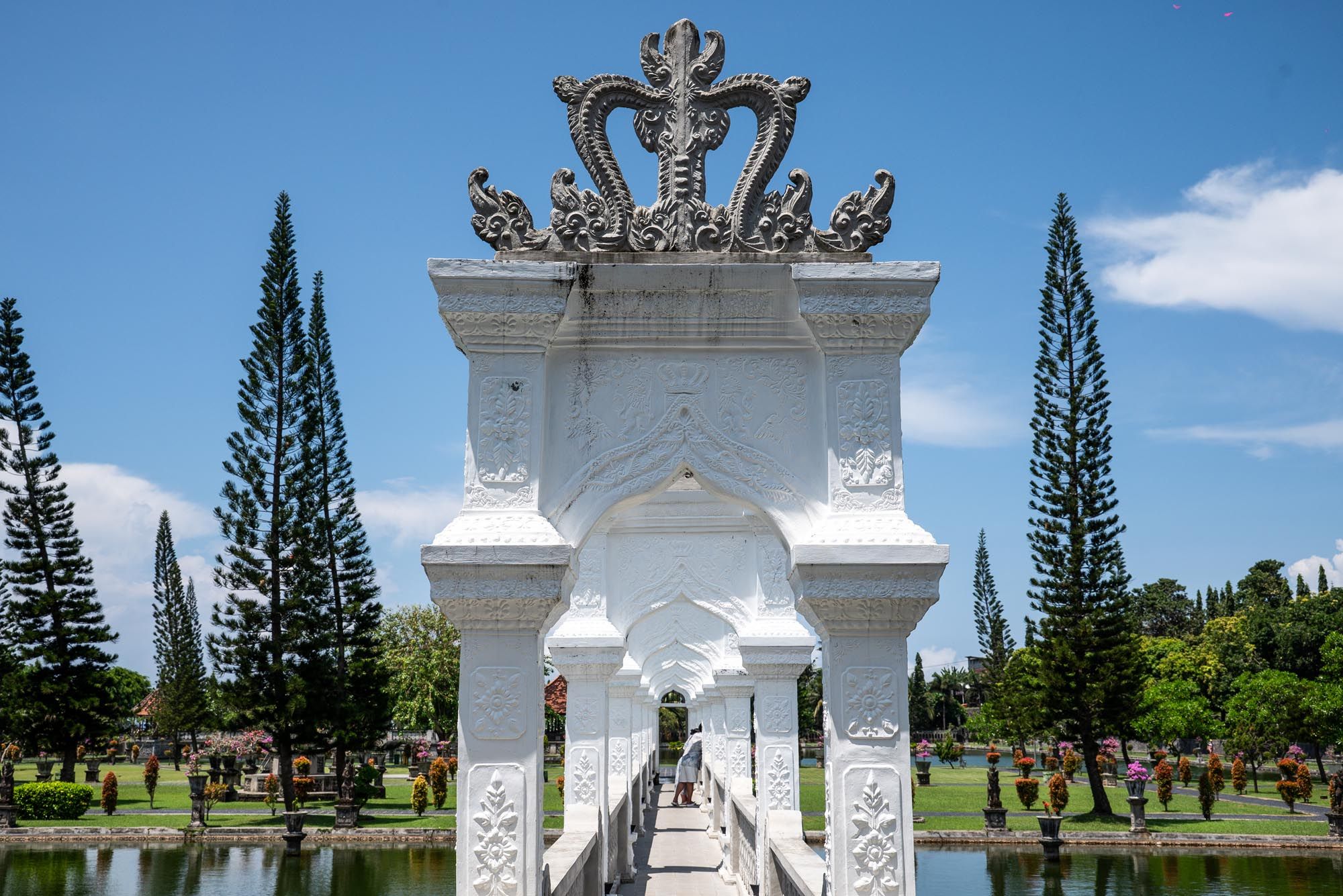
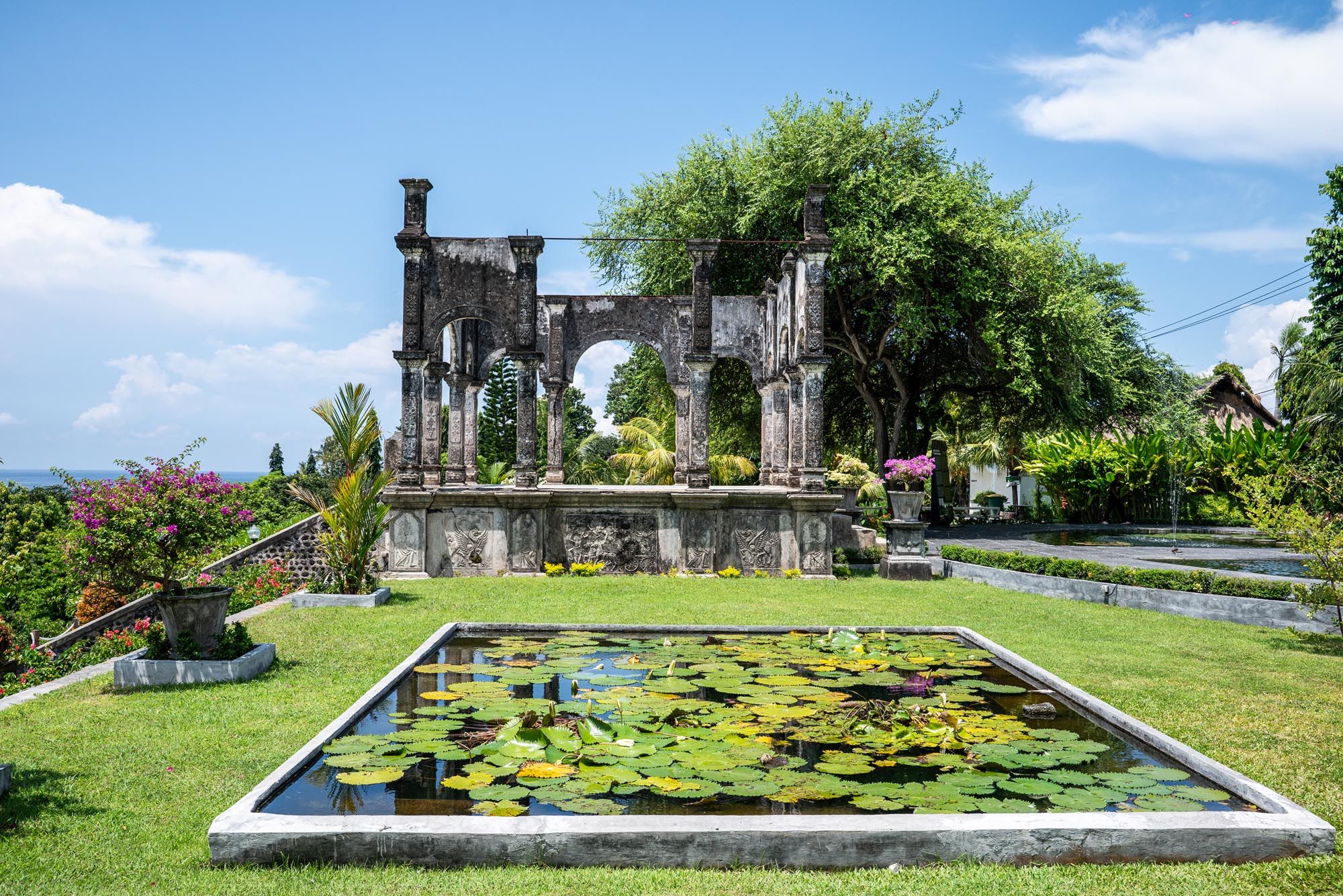
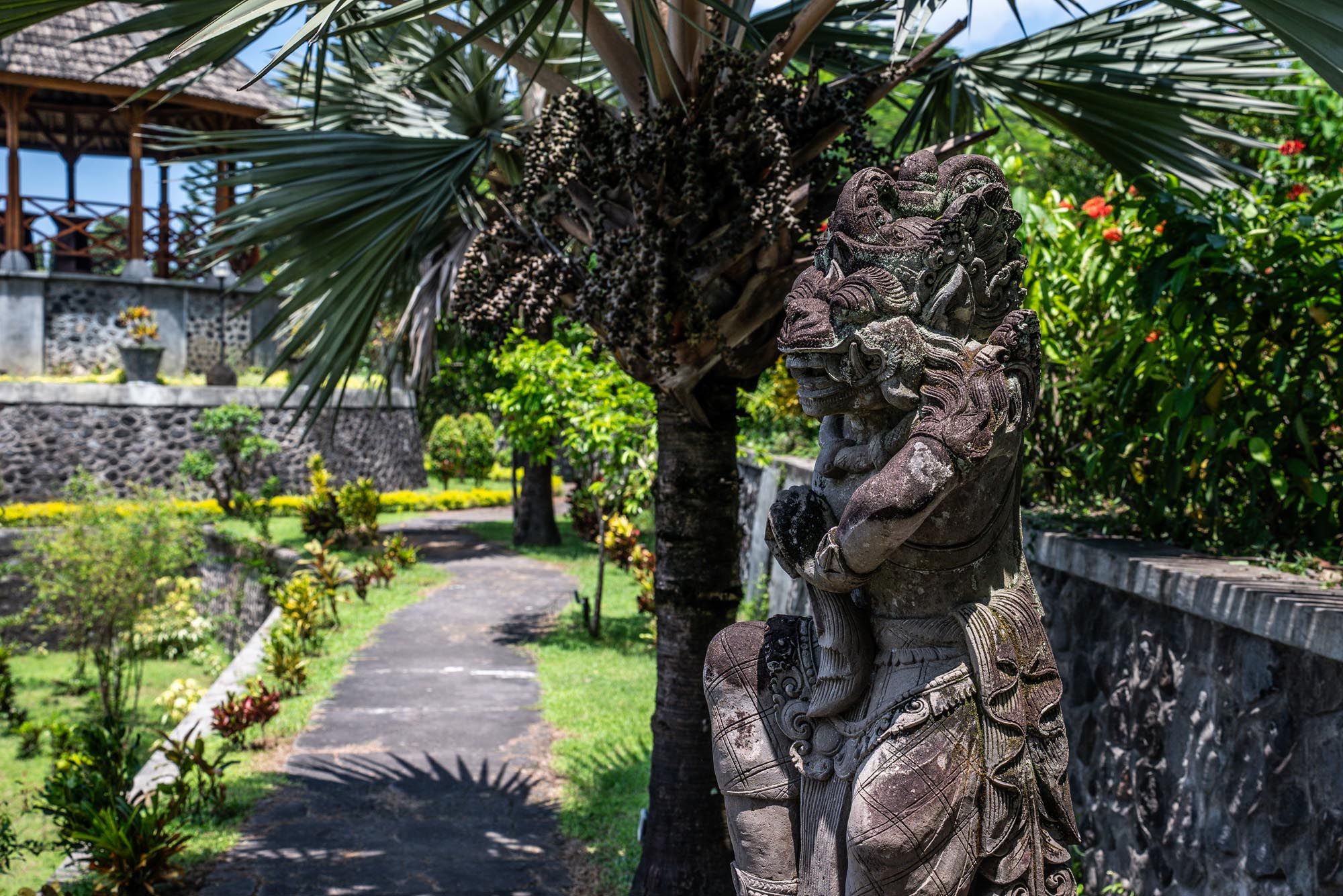
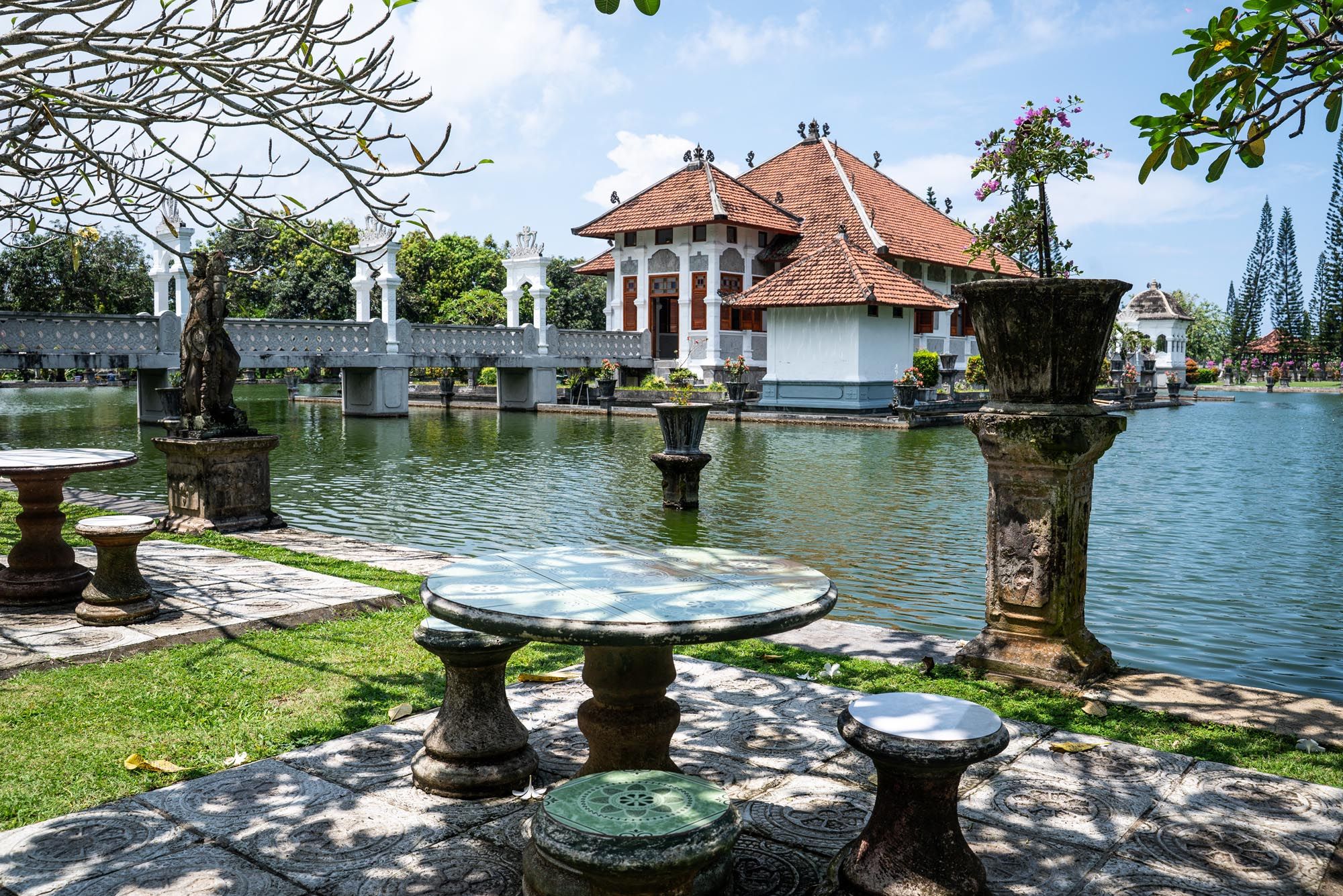
What makes it stand out from other places in Bali is the mix of influences. You'll see traditional Balinese design sitting right next to European-style arches and subtle Chinese details — a reflection of a time when outside influence was starting to shape local architecture in new ways.
Unlike many attractions on the island, this isn't an active religious site. There are no ceremonies, no dress codes, and no restrictions on where you can walk. You're free to explore it however you like — which is exactly what makes it such an easy, relaxed place to visit.
"Unlike many Bali attractions, there are no ceremonies, no dress codes, no restrictions on where you can walk. You're free to explore it however you like."
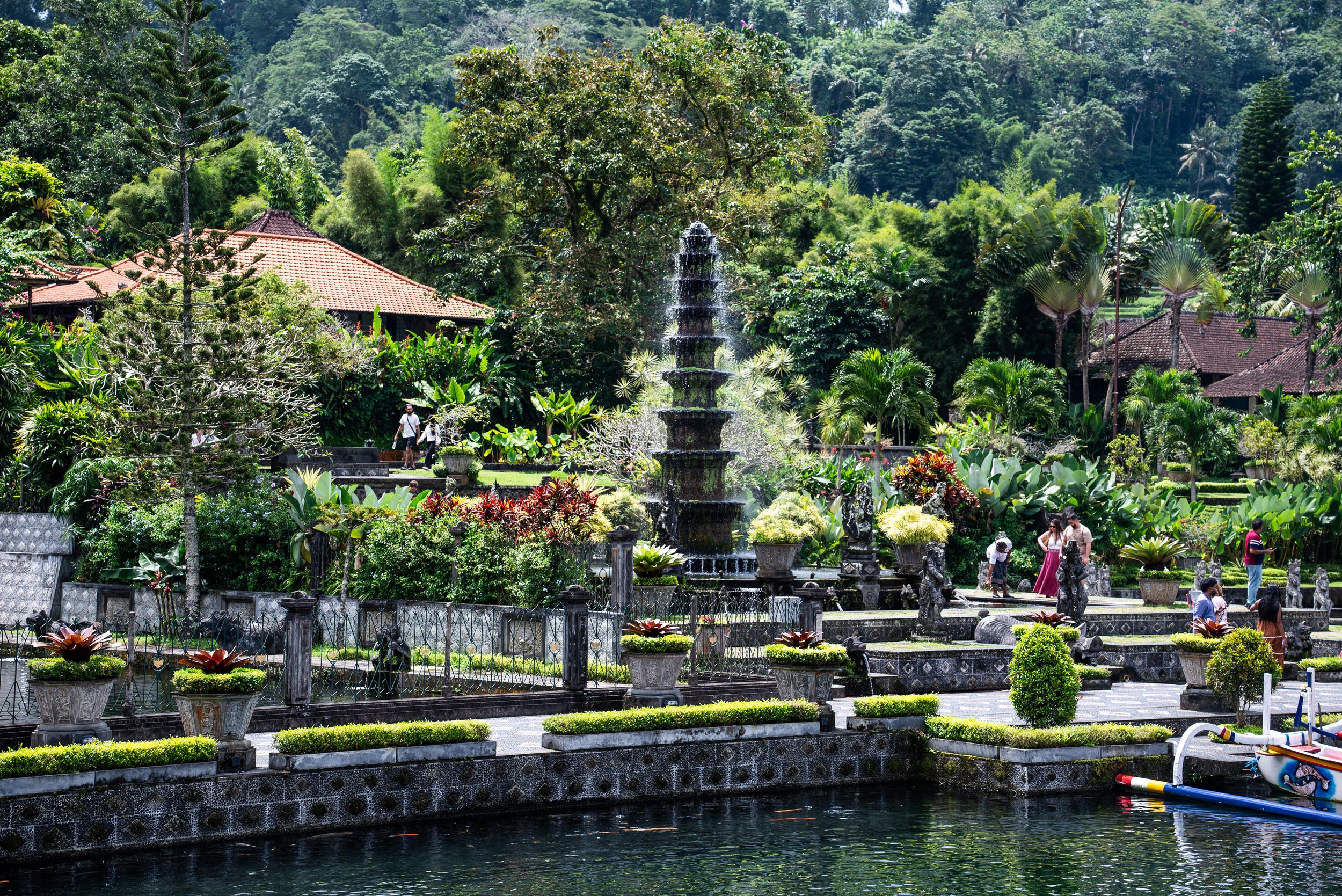
The History Behind the Royal Water Palace
Taman Ujung dates to 1909, built under the direction of I Gusti Bagus Jelantik, also known as Anak Agung Anglurah Ketut Karangasem — the ruler of the Karangasem kingdom, and the same man responsible for creating Tirta Gangga a short drive away.
What's fascinating is how international its design feels. At a time when Bali was still largely traditional, this project brought together local Balinese craftsmanship with European and Chinese architectural ideas. Dutch architects were involved, which is why you'll notice symmetry, open layouts, and structural styles that feel very different from typical Balinese temples.
But the palace didn't survive untouched. During World War II, parts were damaged — and then in 1963, Mount Agung erupted violently, causing widespread destruction across East Bali. Taman Ujung was heavily affected and lay largely in ruins for years.
What you see today is the result of careful restoration: a mix of original structures and reconstructed elements. It doesn't feel overly polished or artificial. Instead, it feels like a place that has survived, adapted, and quietly endured.
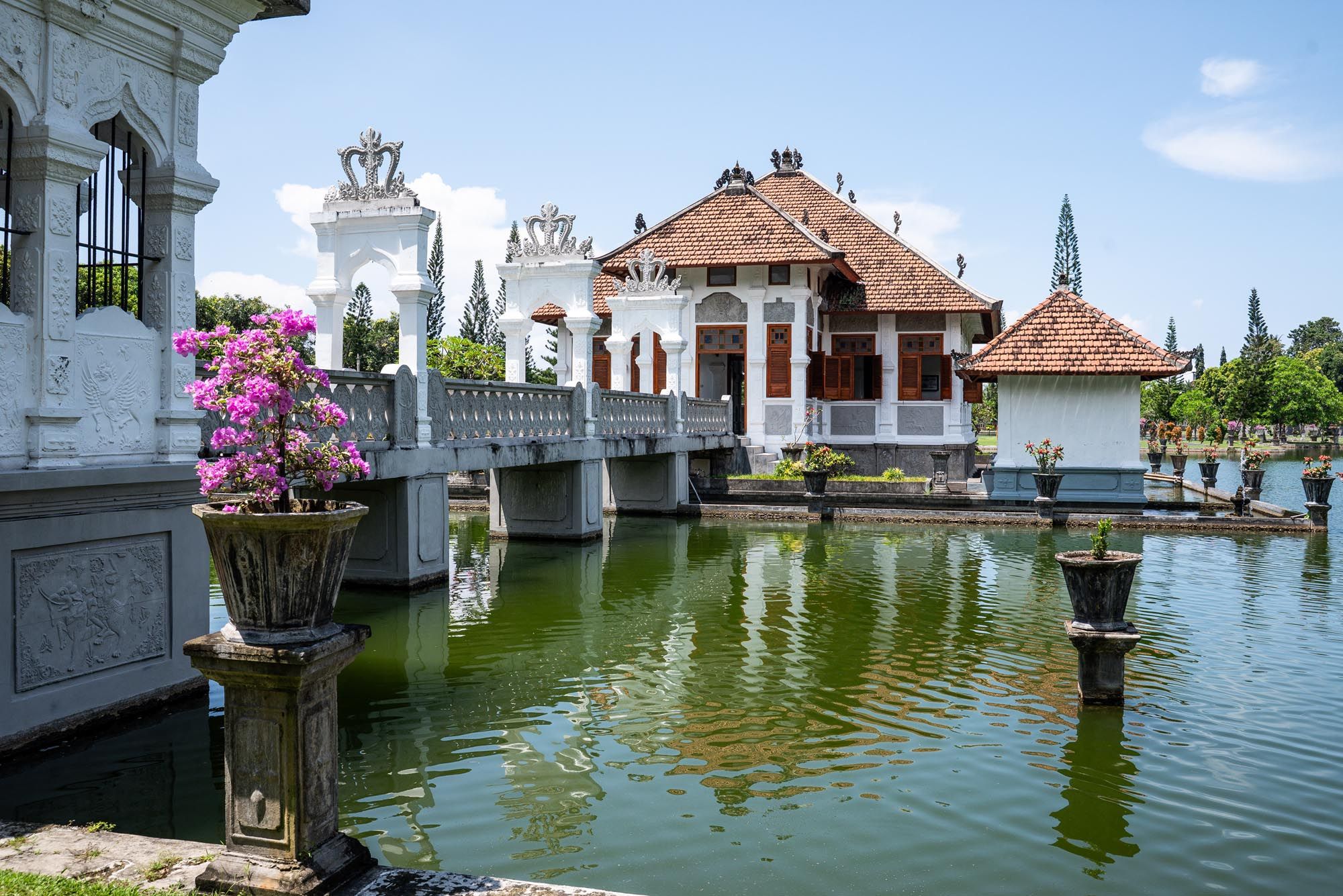
Location & Getting There
Taman Ujung sits in Karangasem Regency, in the far east of Bali, just outside the town of Amlapura.
From places like Canggu, Seminyak, or Uluwatu, you're looking at around two to three hours of driving depending on traffic. Even from Ubud it still takes close to two hours. This distance is exactly why so many travellers skip East Bali altogether — and why those who do make the journey often find it feels completely different from the rest of the island.
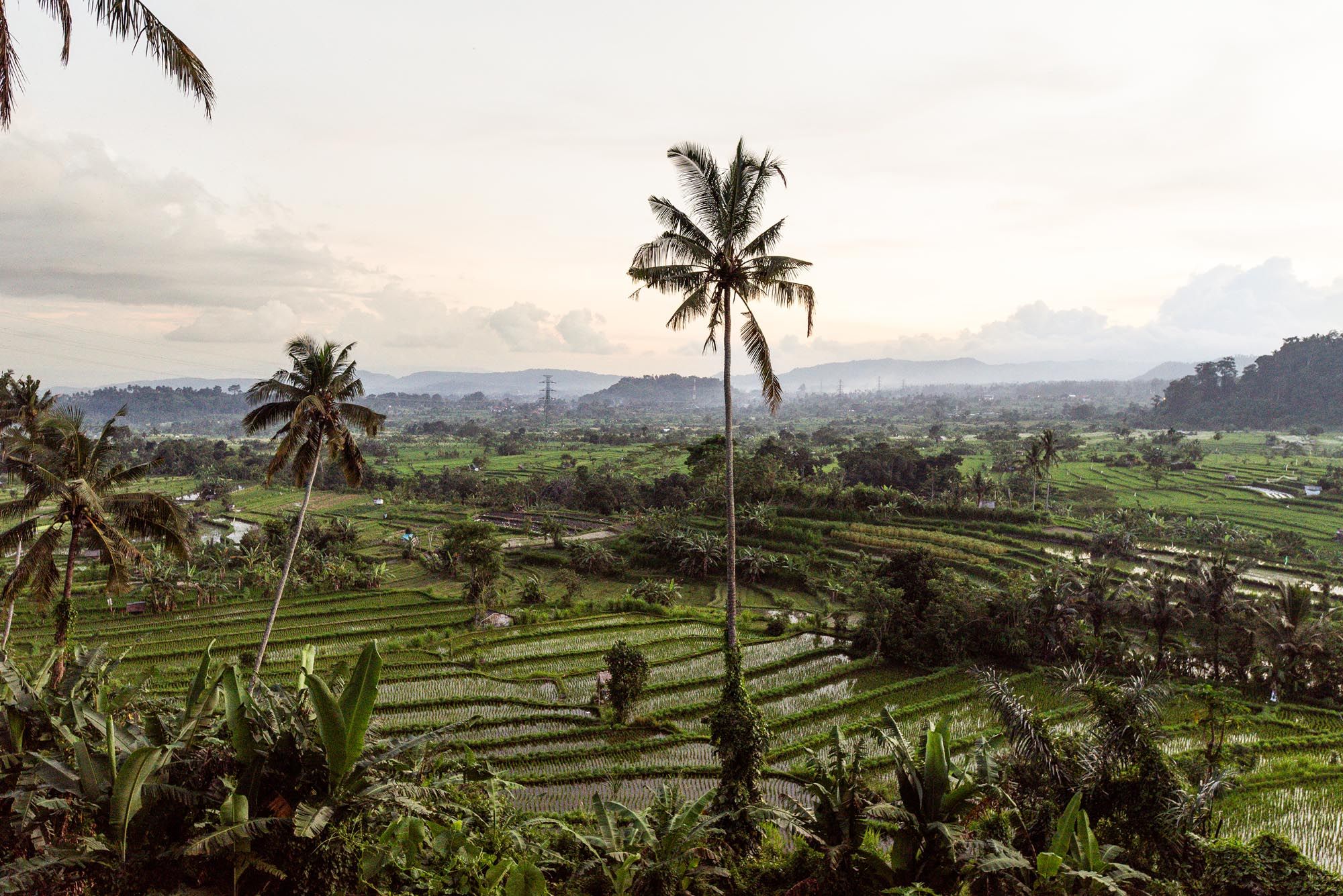
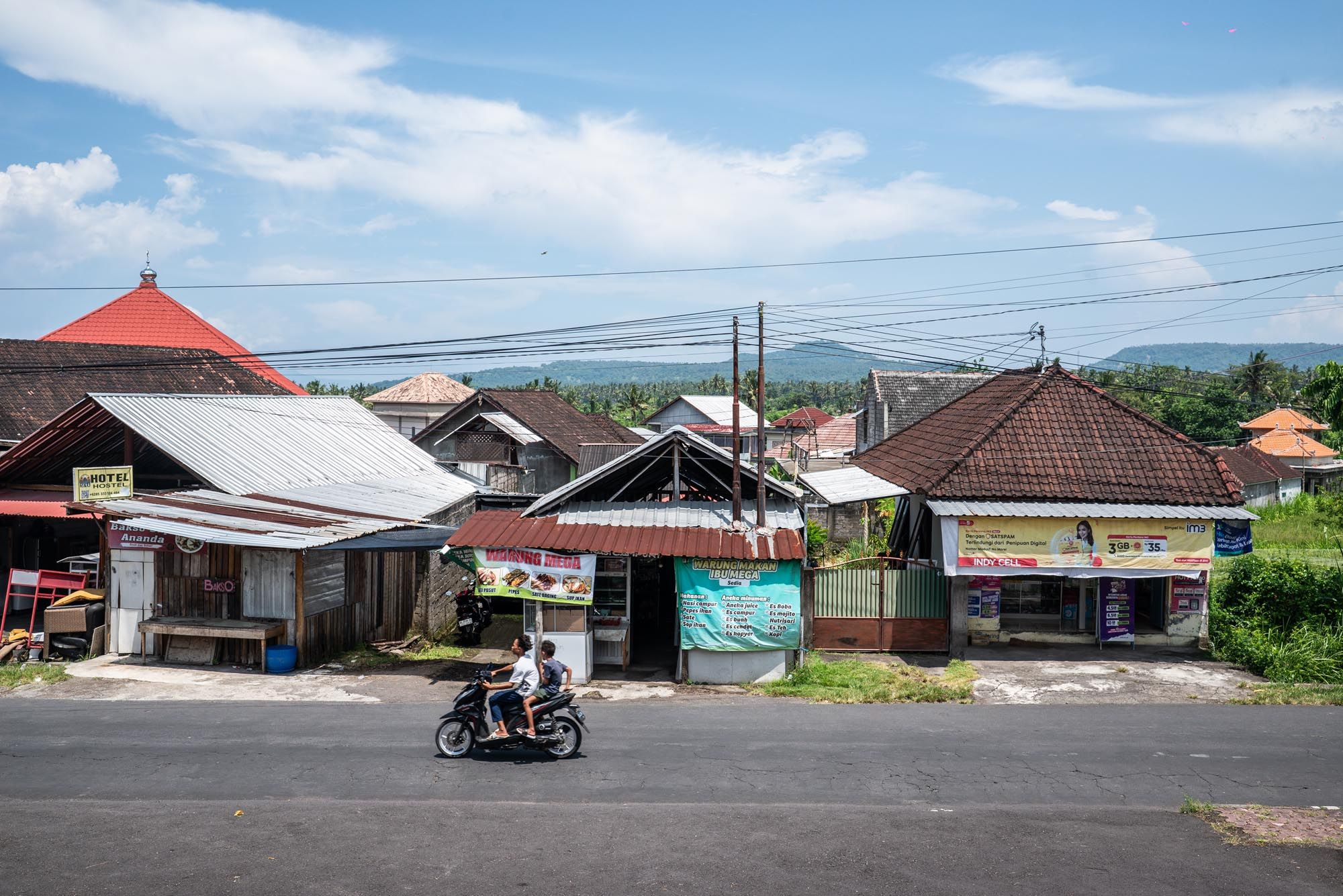
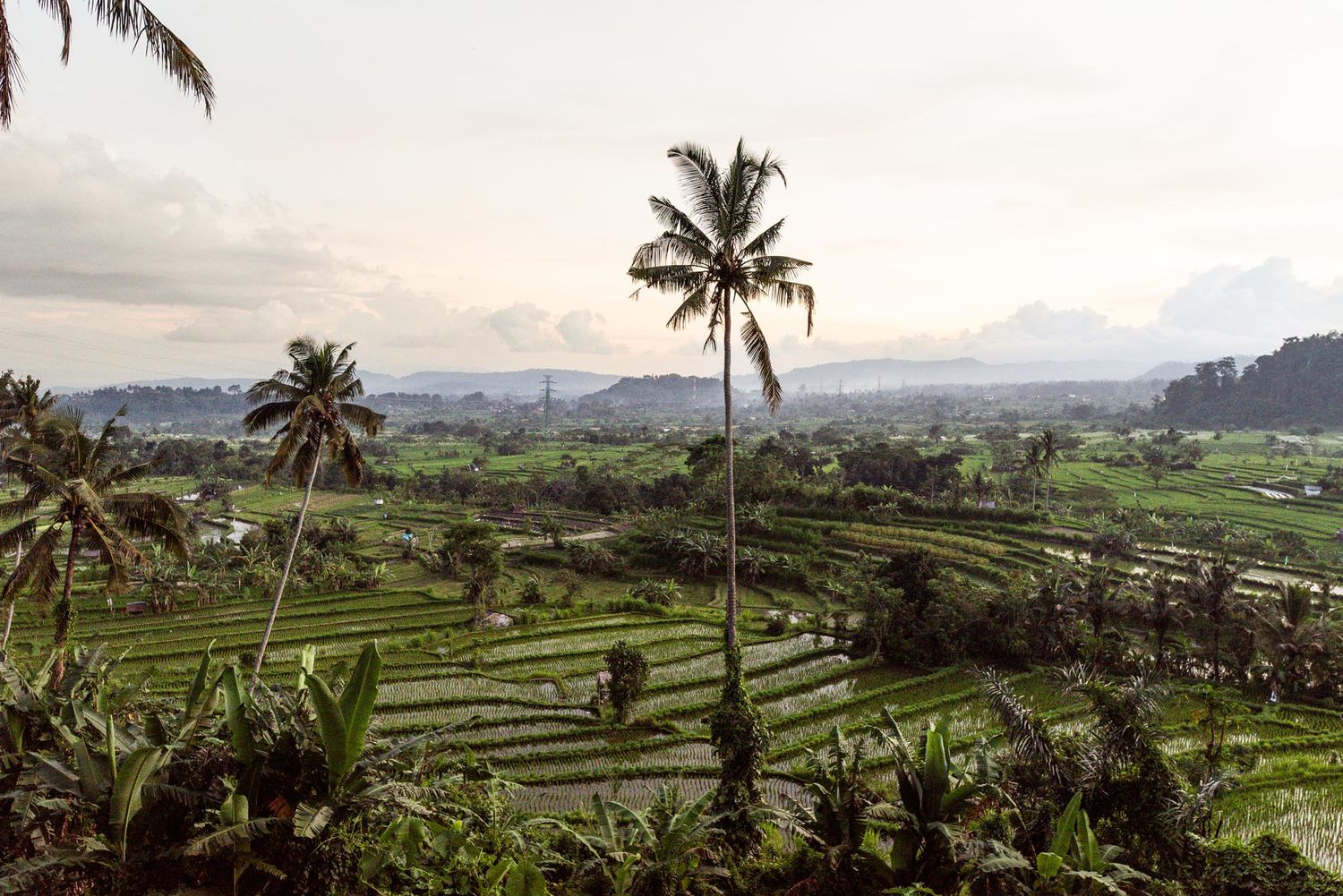
The roads become quieter, the scenery more rural, the pace noticeably slower.
The Reality of Getting There
The easiest and most practical way to reach Taman Ujung is by hiring a private driver. In Bali it's one of the most affordable and stress-free ways to explore, and considering the distance and winding roads, it simply makes sense.
I personally reached Taman Ujung by scooter — but this isn't a short scenic ride if you're coming from Ubud. It's a long journey through unfamiliar roads, and unless you're experienced and comfortable riding for hours, it's not worth the risk. Public transport, for all practical purposes, doesn't exist out here.
Best Time to Visit
Early morning is easily the best option — cool temperatures, soft light, and large parts of the complex almost to yourself. Late afternoon is another great choice, especially for photography: warm light reflects across the water and gives the whole place a more atmospheric look.
Midday can be intense. The palace is very open with little shade, and the heat reflects off the water and stone walkways. Manageable, but you'll feel it.
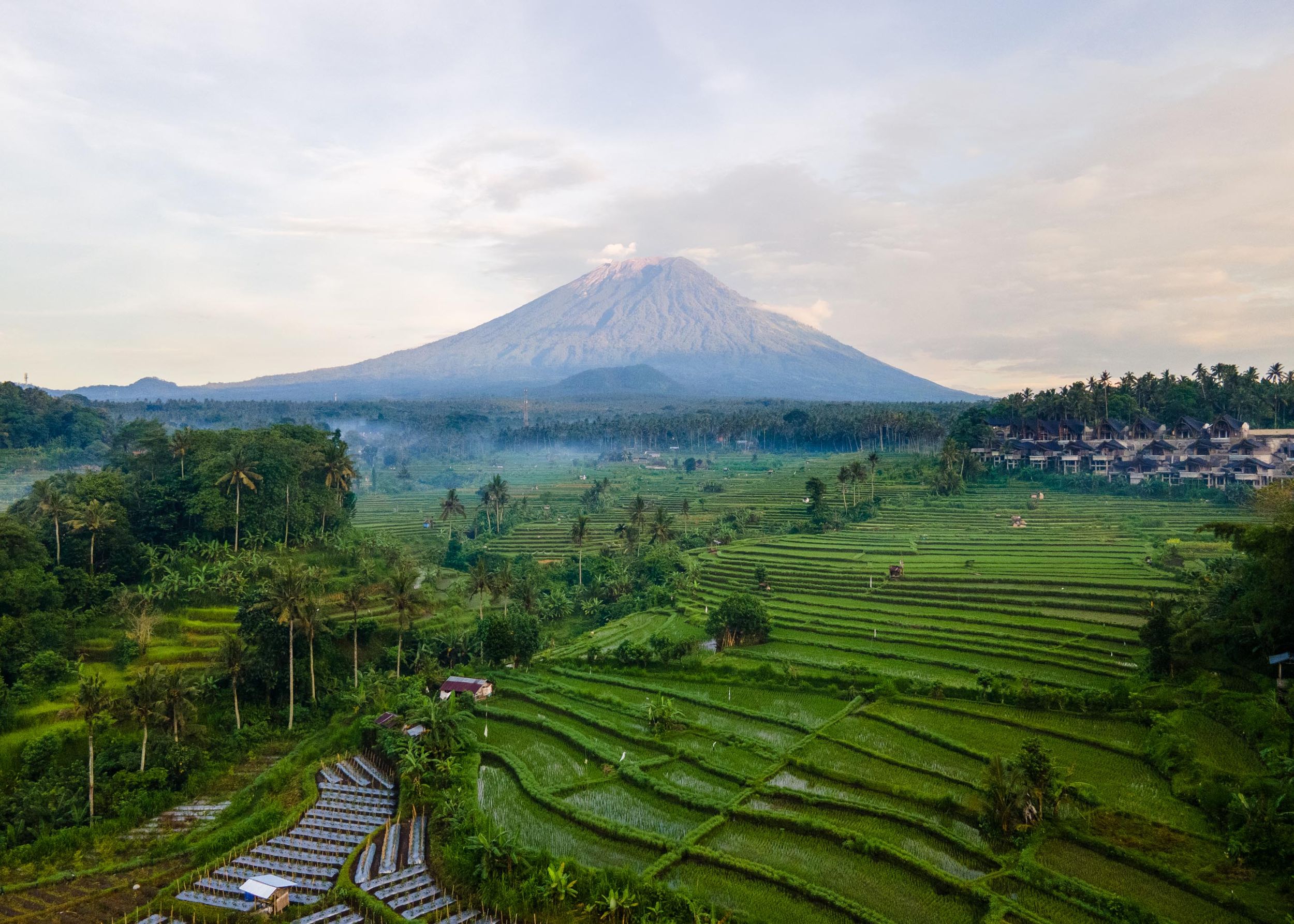
One factor that makes a huge difference is visibility. On clear days you'll see Mount Agung rising in the background, which completely transforms the view. When it's hidden by cloud, the scenery still looks beautiful — it just loses some of that dramatic impact.
What It's Actually Like to Visit
The first thing you notice when you walk in is the space. Unlike many popular attractions in Bali, there's no feeling of being funnelled through a set path or surrounded by crowds. The grounds are wide open, and you can move freely in any direction.
Most people drift toward the long stone bridges that stretch across the ponds — the most photographed spots, offering clean lines, reflections, and that classic "water palace" look. From there, it's a slow wander. You might head toward one of the pavilions above the water, or make your way up the staircases to higher viewpoints. From the top, you get a completely different perspective: the full layout, surrounding greenery, and on clear days both ocean and mountains.
Beyond that, there isn't a lot to "do" in the traditional sense. No guided tours, no interactive elements, no structured experience. It's simply a place to walk, look, and take it in.
"For some people, that's exactly what makes it enjoyable. For others, it can feel underwhelming. The difference is almost entirely about expectation."
Taman Ujung vs Tirta Gangga
Both were built by the same king, both feature water gardens, and both sit within a short drive of each other. But the experience is very different.
- Bigger, quieter, more open
- Dramatic scenery & viewpoints
- Best for photography & atmosphere
- No swimming pools or stepping stones
- Little shade — bring a hat
- More compact and lively
- Famous koi ponds & stepping stones
- Swim in the spring-fed pools
- Gets more crowded
- More to actively "do"
If you had to choose just one: go to Taman Ujung for photos and peaceful surroundings; go to Tirta Gangga if you want something more engaging. But realistically, the best option is to visit both — they complement each other perfectly and are close enough to combine in a single trip.
Is Taman Ujung Worth Visiting?
Taman Ujung is not a must-see destination in the same way Ubud or Uluwatu are. If you're staying in south Bali and considering a long drive just to visit this one location, it probably won't feel worth it.
But if you're already exploring East Bali, the answer changes completely. As part of a wider itinerary it becomes a relaxing, scenic stop that adds real variety to your day — and offers some of the best photo opportunities in this part of the island.
The key is expectation. Arrive expecting a full experience packed with activities, and you'll likely be disappointed. Arrive expecting a peaceful, photogenic royal garden, and you'll enjoy it for exactly what it is.
Nearby: Making the Trip Worth It
One of the biggest mistakes people make is visiting Taman Ujung in isolation. The real value comes from combining it with other nearby locations to turn the journey into a full East Bali experience.
Close by, you'll find Lempuyang Temple with its famous mountain-framed gate, Virgin Beach — one of the few white sand beaches in the area — traditional Tenganan Village, and quieter coastal towns like Candidasa and Amed.
East Bali is less about ticking off individual attractions and more about experiencing a slower, less commercial side of the island. That's what makes it worth the drive.

How I Would Visit
If I were planning a visit again, I would not treat Taman Ujung as the only stop of the day. I'd make it part of a wider East Bali route — ideally combining it with Tirta Gangga, Lempuyang Temple, Virgin Beach, and either Candidasa or Amed.
The best version of the visit is early morning or late afternoon, with around an hour to walk the bridges, climb to the viewpoints, take photos, and enjoy the surroundings without rushing.
Common Questions
Is Taman Ujung Water Palace worth visiting?
Yes — if you're already in East Bali. It's peaceful, photogenic, and spacious. But it's not worth travelling across the island for as a standalone stop.
How much is the entrance fee?
Around IDR 100,000 for adults (~£5 / $6–7 USD). Children are around IDR 50,000, and parking adds a small extra charge.
What time does Taman Ujung open?
Daily from 7:00 AM to 7:00 PM, with last entry around 6:00 PM.
How long do you need there?
Most visitors need around one hour. If you enjoy photography or want to climb the viewpoints at a leisurely pace, allow closer to 1.5 hours.
Is Taman Ujung better than Tirta Gangga?
Taman Ujung is better for space, scenery, and quiet atmosphere. Tirta Gangga is better for koi ponds, stepping stones, and something more interactive. If possible, visit both — they work perfectly as a pair.
"Taman Ujung Water Palace isn't flashy. It doesn't compete with Bali's temples or beaches. What it offers instead is something much simpler — a quiet space, beautiful scenery, and a connection to Bali's royal past."
Final thought — Thom Travels, East Bali